Underrated Keto Superfoods You Need to Know for Better Flavor, Nutrition, and Variety
Keto can feel amazing when you first start. The meals are rich, satisfying, and often surprisingly simple. But after a while, many people hit the same wall: the plates begin to look the same, the flavors get repetitive, and it becomes harder to stay excited about low-carb eating. That is usually when keto fatigue shows up. It is not always about willpower. More often, it is about variety, micronutrients, and having enough interesting foods in regular rotation to keep meals enjoyable.
That is where underrated keto superfoods come in. These are foods that go beyond the usual bacon, avocado, eggs, and cheese formula. They are low in net carbs, rich in nutrients, and versatile enough to bring new textures and flavors into your kitchen. Some are fermented, some are ocean-based, some are surprisingly high in minerals, and some are just old-fashioned pantry staples that deserve a second look.
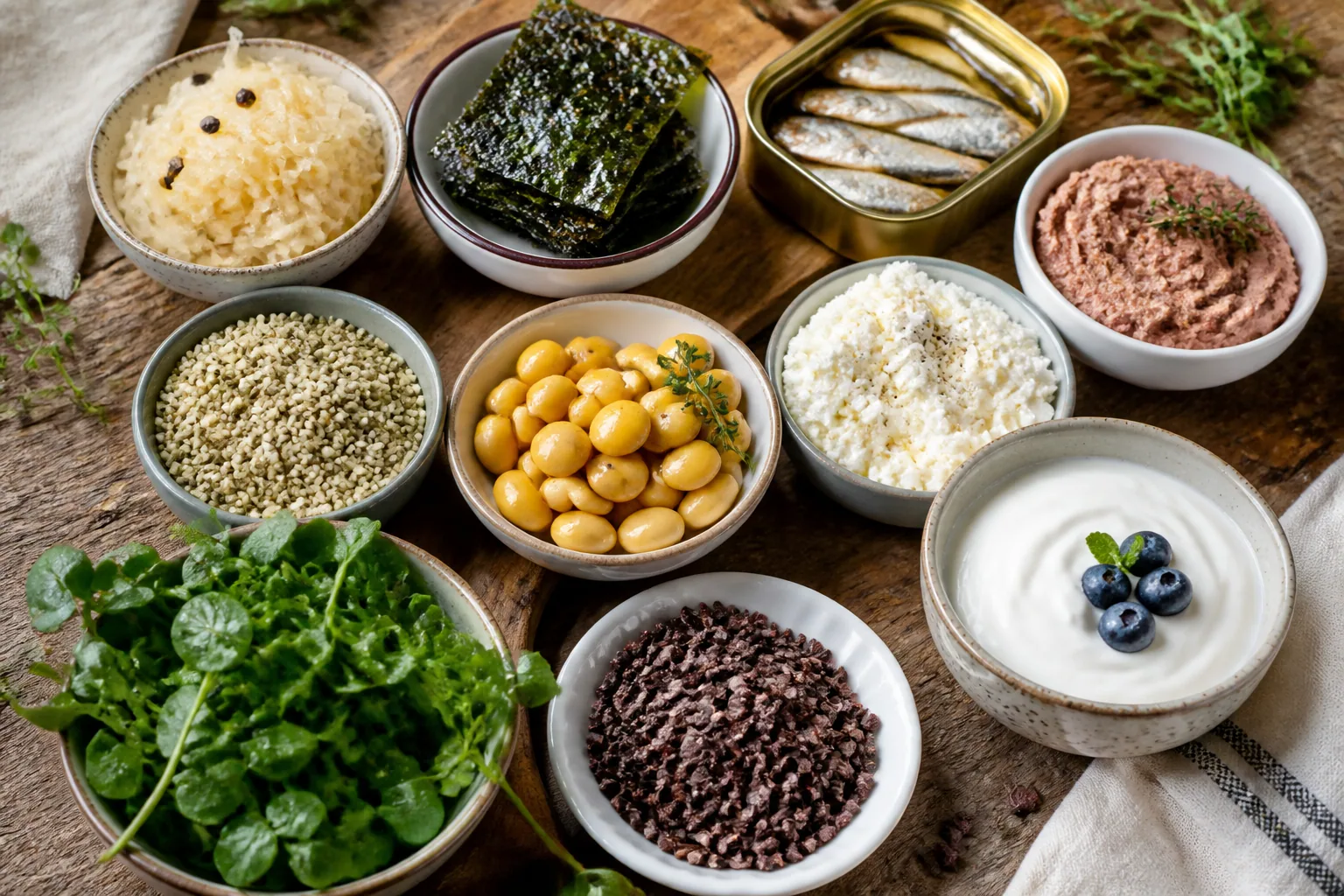
In this guide, we will look at what actually makes a food keto superfood, then explore overlooked options like fermented vegetables, seaweeds, organ meats, sardines, hemp hearts, lupini beans, goat and sheep dairy, coconut yogurt, watercress, parsley, cacao nibs, and olives. Along the way, you will get simple macro snapshots, practical uses, and tips for making these foods part of a keto routine that feels easier, tastier, and more sustainable.
Why Keto Can Start to Feel Repetitive
The ketogenic diet works best when it is built around foods that are filling, low in carbohydrates, and easy to keep consistent. The problem is that many people fall into a narrow pattern of meals. Eggs for breakfast, salad with chicken for lunch, meat and vegetables for dinner, maybe cheese as a snack. That structure can be effective, but if it stays unchanged for too long, the diet starts to feel restrictive rather than freeing.
Another common issue is micronutrient gaps. If your keto plan relies too heavily on a small set of foods, you may miss out on minerals, trace nutrients, and helpful plant compounds. Over time, that can affect energy, digestion, meal satisfaction, and even your motivation to stay with keto. A more diverse food list helps solve both problems at once: it improves nutrient coverage and makes meals more interesting.
The best part is that keto does not have to be bland or repetitive. Once you start thinking beyond the obvious staples, you will find a whole category of foods that deliver more flavor per bite and more nutrition per serving. That is the real role of a keto superfood: not just low carb, but high value in a keto lifestyle.
What Makes a Food a Keto Superfood?
A true keto superfood is not defined by hype. It is defined by usefulness. The food should be low enough in net carbs to fit comfortably into ketogenic targets, while also offering meaningful nutrition, healthy fats, fiber, or other compounds that support health and adherence. Culinary versatility matters too. If a food is nutrient-dense but hard to use, it will not make your daily life easier.
The most useful keto superfoods usually share a few traits. First, they keep net carbs low. Second, they deliver a lot of nutrients for relatively few calories, especially when it comes to minerals, fat-soluble vitamins, or omega-3 fats. Third, they often support digestion or gut health. Fourth, they are easy to season, pair, or blend into meals without feeling like a chore.
That is why foods like fermented vegetables, sardines, seaweeds, hemp hearts, organ meats, and certain dairy products deserve more attention. They are not just keto-compatible. They solve common keto problems, from boredom to micronutrient gaps, in a way that most mainstream low-carb foods do not.
The Role of Nutrient Density and Net Carbs
On keto, net carbs matter because they influence whether you stay within your daily carb budget. But carbs alone do not tell the whole story. A food can be low in carbs and still be nutritionally weak, while another can bring minerals, protein, healthy fats, and beneficial compounds all in one serving. That is where nutrient density becomes important.
Nutrient-dense foods help you get more from fewer bites. This is especially useful on keto, where appetite often drops and meal size may shrink. If your plate is small, every item on it should ideally do more than one job. It should nourish you, satisfy you, and preferably make the meal taste better too.
That is why the following foods stand out. Fermented vegetables can add live microbes and organic acids while contributing very few net carbs in small servings, and a review in Nutrients notes that foods like sauerkraut, kimchi, and pickles can support gut health and help fill micronutrient gaps such as vitamin K and B-vitamins: https://res.mdpi.com/d_attachment/nutrients/nutrients-11-01806/article_deploy/nutrients-11-01806-v2.pdf
Fermented Vegetables: The Gut-Friendly Keto Upgrade
Fermented vegetables are one of the easiest ways to make keto meals more interesting without pushing carbs too high. Sauerkraut, kimchi, pickles, and other naturally fermented vegetables can bring tang, crunch, and a lively acidic bite that cuts through rich foods beautifully. They are especially useful when your meals lean heavy on fats and proteins, because they add contrast.
From a nutritional perspective, fermented vegetables are appealing because they can contain live microbes and organic acids, which may support digestion. They also help bring in small amounts of vitamins and plant compounds that can be harder to get in a restricted eating pattern. In realistic portions, they contribute very few net carbs, so a spoonful or two often fits easily into keto macros.
The simplest way to use them is as a condiment. Add sauerkraut beside pork chops, kimchi on scrambled eggs, or pickles with burger bowls and tuna salad. You can also stir them into avocado mash, use them to top cauliflower rice bowls, or serve them with cold meats and cheese for a fast keto plate that feels more complete.
Seaweeds and Algae: Mineral-Rich, Low-Carb Flavor Boosters
Seaweeds are one of the most underrated keto foods because they are so low in carbs yet so useful in the kitchen. Plain nori, wakame, and kombu are typically very low in net carbs, often around 1 gram or less per serving, while providing fiber and important minerals such as iodine. That makes them a strong fit for low-carb eating when used in sensible amounts.
Seaweed also brings a distinct savory flavor that can deepen simple dishes. Nori sheets can wrap egg salad or smoked salmon. Wakame can be added to soups or cucumber salads. Kombu can be used to make broth more mineral-rich and flavorful. Even small amounts can make food taste more layered and satisfying.
Kelp noodles are another smart option. They are made from kelp, a type of seaweed, and a 113-gram serving may contain only 1 to 3 grams total carbs, much of which is fiber, giving them roughly 0 to 1 gram net carbs. They also bring trace minerals like iodine, making them a useful pasta-style swap for keto meals. For a more detailed macro-focused look at kelp noodles, see https://biologyinsights.com/are-kelp-noodles-keto-nutrition-and-net-carbs/
Sea moss, or Irish moss, can also fit keto in realistic servings. One guide notes that about 10 grams provides around 1.10 grams net carbs and 30 grams around 3.30 grams, which can work within a typical ketogenic target if used thoughtfully. This is one of the reasons sea-based foods deserve more attention in a low-carb pantry.
Organ Meats: The Most Nutrient-Dense Foods Keto Eaters Ignore
Organ meats are not trendy for everyone, but they are among the most nutrient-dense foods available. Beef liver, beef heart, chicken liver, and similar cuts can provide enormous amounts of vitamin A, vitamin B12, iron, copper, selenium, zinc, and other bioactive compounds compared with muscle meat alone. On keto, that matters because these nutrients support energy, red blood cell formation, thyroid function, and overall metabolic health.
The beauty of organ meats is that they are naturally low in carbs and extremely concentrated in nutrients. That means a small serving can do a lot of work. If you are struggling with fatigue, weak meal satisfaction, or a sense that your diet is missing something, organ meats can be one of the most efficient ways to upgrade your plate.
You do not need to start with a big serving. Many people prefer to mix small amounts of liver into ground beef, make pâté, or use heart in stews and slow-cooked dishes. The goal is not to force a dramatic change overnight. The goal is to make these foods approachable enough that they become part of your routine instead of a one-time experiment.
For a nutrient-density perspective, organ meats are hard to beat. A helpful overview from MyHealthcare highlights that organ meats can provide many times the vitamin A, B12, and trace minerals found in muscle meat per calorie: https://www.myhealthcare.com/Superfoods/Organ_Meats/index.html
Sardines and Small Fatty Fish: Tiny but Powerful
Sardines are one of the most practical keto superfoods because they check almost every box. They are virtually zero-carb, rich in healthy fats, and packed with protein. They are especially known for omega-3 fats like EPA and DHA, which support heart and brain health, and they also provide vitamin D, calcium, selenium, iron, and B vitamins. Because sardines are often eaten with soft bones, they can contribute meaningful calcium as well.
What makes sardines so valuable on keto is that they are both nutrient-dense and convenient. They come in cans, they require little to no prep, and they pair well with acidic, fresh, or creamy ingredients. That means they can become a lunch, snack, or dinner component with almost no effort.
Try sardines on cucumber slices with lemon and herbs, mixed into avocado salad, or mashed with mustard and served in lettuce wraps. They also work surprisingly well with fermented vegetables or olives, which gives you a strong combination of fat, salt, acidity, and umami. For a closer look at the nutrient profile, WebMD and GoodRx both note that sardines are rich in omega-3s, calcium, selenium, iron, and vitamin D: https://www.webmd.com/diet/health-benefits-sardines and https://www.goodrx.com/well-being/diet-nutrition/are-sardines-good-for-you
Hemp Hearts, Chia, and Other Underused Keto Seeds
Seeds are often overlooked in keto because people focus so much on meat and dairy, but the right seeds can add protein, fiber, and healthy fats in a very efficient way. Hemp hearts are especially useful. A 3-tablespoon serving, or about 30 grams, provides around 166 calories, 14.6 grams of healthy fats, 9.5 grams of protein, and only about 2.6 grams total carbs, including about 1.2 grams of fiber. They also contain magnesium, iron, and zinc.
That macro profile makes hemp hearts ideal for sprinkling over yogurt, salads, egg bowls, and veggie dishes. They have a mild, nutty taste and a soft texture that blends easily into both sweet and savory keto recipes. If you want a seed that adds body without overpowering the dish, hemp hearts are one of the best options.
Chia seeds are another useful choice because they absorb liquid and create thickness, which is helpful for puddings, breakfast bowls, and low-carb baking. Together, hemp hearts and chia can improve satiety while giving your meals a more complete feel. The nutrition breakdown for hemp hearts is summarized well by Verywell Fit: https://www.verywellfit.com/hemp-hearts-nutrition-facts-4585190
Lupini Beans and Other Low-Net-Carb Plant Options
Lupini beans are one of the most interesting plant foods for low-carb eaters because they are much lower in net carbs than most other beans. That makes them a rare bridge between legume-style eating and keto-style carb control. They also bring fiber and a satisfying chewy texture that can help break up the usual pattern of eggs, meat, and cheese.
Because lupini beans are usually sold brined or jarred, they also come with a salty, tangy flavor that fits the keto palate well. They can be eaten as a snack, tossed into salads, or mixed with herbs and olive oil. They are not a replacement for high-carb beans in every recipe, but they are a smart option when you want something plant-forward without losing track of your carb goal.
Other low-net-carb plant foods worth keeping in mind include small portions of artichokes, asparagus, mushrooms, and hearts of palm. These are not always labeled superfoods, but in a sustainable keto plan, they help provide fiber, texture, and freshness. The main point is to expand your mental list beyond the obvious vegetables and into foods that make keto feel less repetitive.
Unique Dairy Alternatives: Goat Cheese, Sheep Yogurt, and Coconut Yogurt
Dairy can be both helpful and tricky on keto. It is satisfying and easy to use, but not every dairy product fits the diet equally well. That is why alternatives like goat cheese, sheep yogurt, and coconut yogurt can be so useful. They bring flavor and texture variety, while giving you a different nutritional profile than standard cow dairy.
Goat dairy is especially interesting. Research summaries comparing goat milk and cow milk note that goat milk can provide somewhat more calcium, phosphorus, potassium, magnesium, and vitamin A per cup, and it may be easier for some people to digest because of its protein structure. At the same time, it still contains lactose, so it is usually best to choose full-fat or fermented versions in a keto context. See the comparison here: https://www.herdmanager.app/learn/milk/goat-milk-vs-cow-milk/ and https://www.nutritionadvance.com/goat-milk-vs-cow-milk/
Sheep yogurt and cheese can also be appealing because they tend to be richer and more concentrated, which can make them satisfying in smaller portions. Coconut yogurt, on the other hand, gives you a dairy-free option with creamy texture and often a pleasant tang. The key is to choose unsweetened versions and watch labels carefully, since flavored products can quickly add unnecessary sugar.
Watercress, Parsley, and Other Overlooked Low-Carb Greens
Leafy greens are common on keto, but some deserve a lot more attention than they get. Watercress is one of the best examples. It has a peppery bite that can wake up a bland salad or sandwich-style lettuce wrap. Parsley is another underrated green, and it adds freshness, bitterness, and a bright herbal note that helps heavier foods feel lighter.
These greens matter because they contribute vitamins, minerals, and plant compounds without moving your carb intake much. They are especially helpful when your keto meals feel dense or heavy. A handful of watercress can make an egg salad feel fresher. Chopped parsley can make roasted meat feel more balanced. They are simple, but they make a real difference in how keto food tastes and feels.
Other good choices include arugula, dill, cilantro, basil, and mint. The point is not to use herbs as decoration. The point is to use them as active ingredients that add variety, reduce monotony, and make each meal taste more intentional.
Cacao Nibs, Olives, and Flavor-Packed Extras Worth Using More Often
Keto does not have to mean skipping flavorful extras. Cacao nibs, for example, can add deep chocolate bitterness and crunch to yogurt bowls, seed puddings, or nut mixes. They are not sweet, which is actually an advantage on keto because they let you enjoy cacao flavor without the sugar hit of most chocolate products.
Olives are another strong addition. They are naturally low in carbs, rich in flavor, and easy to pair with cheese, fish, eggs, and vegetables. Their saltiness and fat content help make small keto meals feel more satisfying. They also fit neatly into snack plates when you need something quick and reliable.
These extra ingredients may seem small, but they help a lot with keto adherence. When meals taste better, you are less likely to feel deprived. When snacks feel intentional rather than random, you are more likely to stay on track. That is the practical side of flavor variety.
How These Foods Help Prevent Keto Fatigue
Keto fatigue is often a mix of physical and psychological boredom. Physically, you may be under-consuming certain micronutrients or missing the digestive variety that comes from a broader food mix. Psychologically, you may simply be tired of the same flavor patterns. Underrated keto superfoods help with both.
Fermented vegetables support digestion and bring brightness. Seaweeds contribute mineral depth and savory flavor. Organ meats fill nutrient gaps efficiently. Sardines add omega-3 fats, protein, and convenience. Hemp hearts and seeds improve texture and satiety. Herbs, olives, and cacao nibs add small moments of pleasure that make meals feel less repetitive.
This matters because sustainability is not just about staying under carb limits. It is about building a way of eating that you can keep enjoying week after week. The more your meals satisfy your body and your taste buds, the easier keto becomes to maintain.
Easy Macro-Friendly Ways to Add Them to Everyday Meals
The easiest way to use these foods is not to reinvent every recipe at once. Instead, start by attaching them to meals you already make. Add sauerkraut to eggs, hemp hearts to salads, sardines to avocado plates, parsley to roasted meat, or nori strips to tuna bowls. Small upgrades are often more effective than dramatic overhauls.
You can also use them to create simple macro-friendly combinations. A lunch plate might include sardines, cucumber, olives, and fermented vegetables. A breakfast bowl might include coconut yogurt, cacao nibs, hemp hearts, and a few berries if they fit your plan. A dinner could pair beef with kimchi, buttered greens, and a seaweed broth.
If you want a faster way to check whether a packaged item still fits your keto targets, a tool like Keeto - Keto Made Easy can save time. It lets you scan products, see the net carbs instantly, and track your carb budget without doing all the math yourself: https://findthe.app/keeto-5m0vbj
How to Introduce New Keto Superfoods Gradually
When people try too many new foods at once, they often quit before anything becomes habitual. A better method is gradual introduction. Pick one or two foods from this list and use them consistently for a week. Learn how they taste, how your body responds, and what dishes they actually improve.
Start with the easiest options first. Fermented vegetables and olives are often simple entry points because they are familiar and easy to pair. Hemp hearts are nearly effortless. Sardines are convenient if you already enjoy canned fish. Once those feel normal, move on to more adventurous foods like organ meats, sea moss, or lupini beans.
The goal is to build familiarity, not force perfection. Keto becomes much easier when you treat new foods as experiments rather than obligations. That mindset reduces friction and increases the chance that these superfoods become part of your real-life routine.
Tips for Sourcing High-Quality, Minimally Processed Options
Quality matters a lot with these foods. For fermented vegetables, look for products that are unpasteurized when possible, since that better preserves live cultures. For seaweed, choose plain versions without sugary coatings or heavy seasoning blends. For sardines, look at the ingredient list and favor options packed in olive oil, water, or simple sauces rather than sugar-heavy flavors.
With dairy, unsweetened and full-fat is usually the safer keto choice. With coconut yogurt, the same rule applies: no added sugar, and ideally a short ingredient list. Hemp hearts should be fresh and stored properly so they do not taste stale. Cacao nibs should be pure cacao with no sweeteners added. In general, the fewer unnecessary ingredients, the better.
Reading labels gets easier with practice, and that is another place where a scanner tool can help simplify shopping. The more you compare ingredients and net carbs, the easier it becomes to recognize genuinely keto-friendly products versus foods that are only marketed that way.
Smart Pairings for Better Taste, Texture, and Nutrition
One of the easiest ways to make keto more enjoyable is to pair foods intentionally. Rich foods often benefit from acidity, crunch, or freshness. That is why sardines and kimchi work so well together, or why avocado feels better with lemon, herbs, and sea salt. Pairing is not just about flavor. It is about making the whole meal more balanced.
Think in contrasts. Creamy coconut yogurt can be paired with crunchy hemp hearts and bitter cacao nibs. Soft scrambled eggs can be paired with peppery watercress. Heavy beef dishes can be balanced with parsley, sauerkraut, or a seaweed side. These combinations keep meals from feeling one-dimensional.
Nutrition can be improved through pairing too. Using herbs with mineral-rich fish, or fermented vegetables with protein-heavy dishes, can make a plate feel more complete. Even small additions can change the entire eating experience.
Building a More Exciting and Sustainable Keto Plate
A sustainable keto diet is not just one that keeps carbs low. It is one that keeps you interested, nourished, and able to repeat it without burnout. Underrated keto superfoods are so valuable because they bring more than one benefit at a time. They improve taste, support variety, and help fill nutritional gaps that can quietly undermine a low-carb routine.
If you are new to keto, start by adding one or two of these foods each week. If you are experienced, look for the weak spots in your current meals and use these ingredients to fill them. Maybe your meals need more acidity, more minerals, more omega-3s, or simply more texture. There is almost always a food on this list that can help.
The real win is not finding one magical keto food. It is building a smarter rotation that makes your meals feel vibrant again. When your plate has better flavor, better nutrition, and more variety, keto stops feeling repetitive and starts feeling like a way of eating you can actually enjoy for the long term.