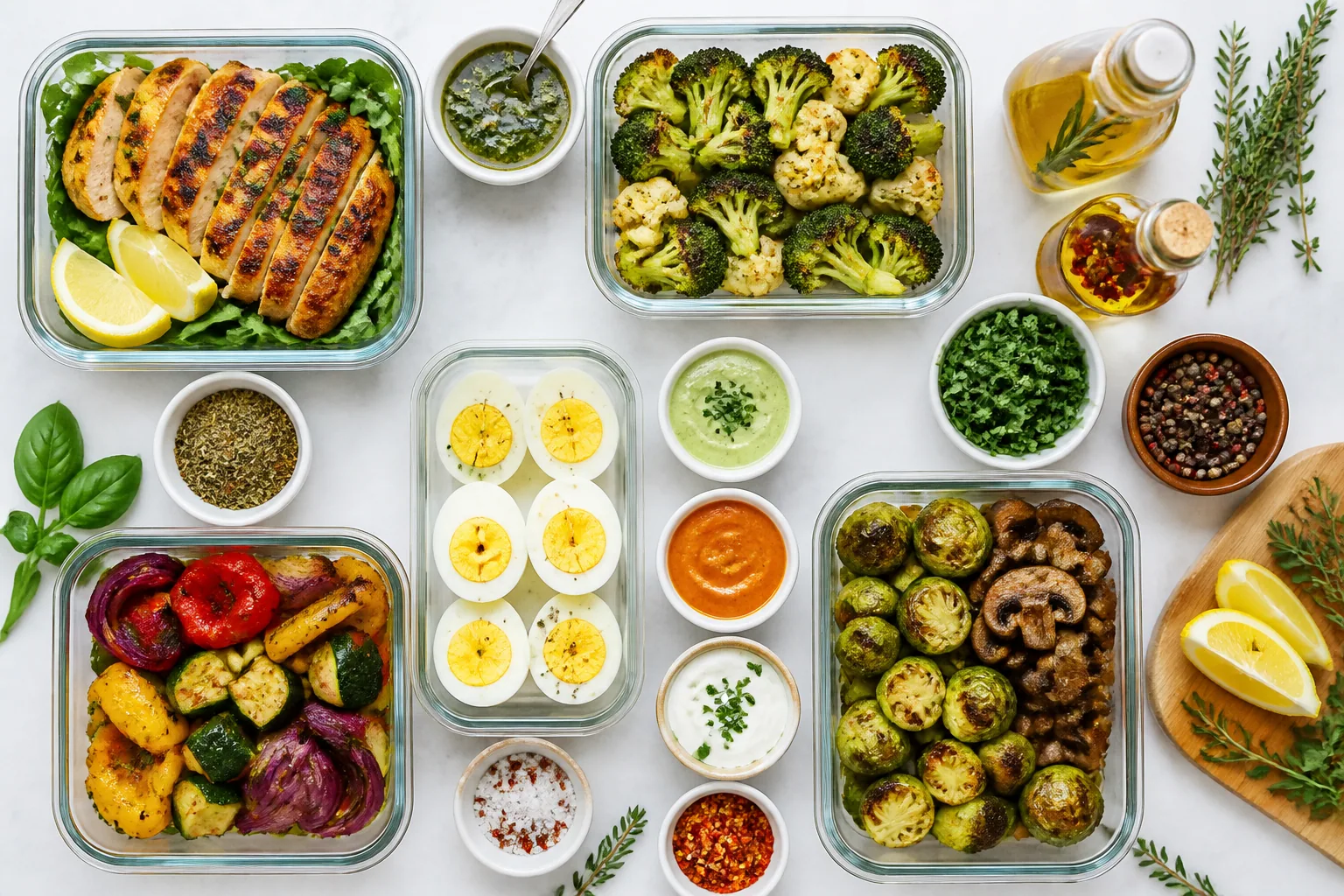
Recipe Rescue: How to Taste-Test Your Way Back When Keto Meals Get Boring
If you have been eating keto for a while, you probably know the feeling: the macros are fine, the meal prep is done, but dinner feels strangely flat. Long-term keto dieters often run into flavor fatigue because the food becomes mechanically repetitive, with too little contrast in texture, acidity, heat, and umami. That can make even a solid meal feel like a chore. The good news is that you do not need a new diet. You usually just need a better flavor system.
This is where a simple taste-test approach helps. Instead of asking, “What should I eat?” start asking, “What is this plate missing?” A little crunch, a brighter acid, a richer fat, or a deeper savory note can completely change the experience without pushing you out of ketosis. And if you are trying to keep carb counts under control while shopping, a tool like Keeto - Keto Made Easy can make it easier to scan products and check net carbs fast: https://findthe.app/keeto-5m0vbj
Why Keto Flavor Fatigue Happens
Flavor fatigue usually shows up when meals are too repetitive in structure. A lot of keto eating follows the same pattern: protein, low-carb vegetable, fat, repeat. That formula is effective for macros, but it can become dull if the plate lacks contrast. Research on flavor fatigue points to repetitive meals and missing texture changes, flavor layers, and palate cleansers as major reasons food starts tasting less satisfying over time (https://styrkr.com/blogs/training-and-nutrition-hub/flavour-fatigue-for-endurance-athletes).
The other issue is sensory monotony. When every meal is soft, savory, and heavy, your palate stops getting new signals. That is why a meal can be technically good but still feel boring. The fix is not necessarily more food. It is better composition: sharper acid, fresher herbs, bitter greens, crunchy toppings, or a finishing sauce that wakes everything up.
Another overlooked factor is meal prep. Reheated chicken, ground beef, and roasted vegetables often lose brightness by the second or third day in the fridge. That is why adding sauces, herbs, citrus, and other fresh finishers after reheating can matter so much. Flavor layering, with a base, middle, and finish, helps keep prepared keto meals from tasting flat (https://supraketo.org/how-to-layer-flavor-in-keto-meals/).
Taste-Test Your Plate: What’s Missing?
Before you change the whole recipe, taste the meal and diagnose the gap. This is the fastest way to rescue a boring keto dinner. Ask yourself a few simple questions. Is it too soft? Too salty? Too rich? Too one-note? Too dry? Once you identify the missing sensation, the fix becomes obvious.
If the dish feels heavy but not exciting, it probably needs acid or freshness. If it tastes thin, it may need more salt, fat, or umami. If it is satisfying but still boring, texture is likely the problem. If it tastes good at first but fades fast, the meal may need layered seasoning instead of a single all-purpose spice blend.
A useful way to think about it is to ask what would make the next bite more interesting than the last one. That one question can reveal whether you need crunch from seeds or vegetables, creaminess from mayo or avocado, brightness from lemon or vinegar, heat from chili, or a savory boost from cheese, mushrooms, or broth.
Research suggests that including all five basic tastes, sweet, sour, salty, bitter, and umami, can improve satisfaction without adding many carbs. In keto terms, that might mean lemon or vinegar for sour, fresh greens for bitter, and mushrooms or Parmesan for umami (https://www.alifeinharmony.me/diet/9-ways-to-liven-up-a-boring-keto-diet/).
The 5 Flavor Levers That Revive Any Keto Meal
Most boring keto meals can be revived by adjusting five main levers: salt, acid, fat, heat, and umami. These are not fancy chef tricks. They are practical tools you can use on almost anything.
1. Salt
Salt is usually the first rescue step because it can wake up flavors that are hiding under blandness. If a meal tastes muted, it may simply be under-seasoned. Keto meals often rely heavily on protein and vegetables, and both need enough salt to taste complete. A properly salted plate will usually feel fuller and more satisfying.
2. Acid
Acid is the most powerful boredom breaker in keto cooking. A squeeze of lemon, a splash of vinegar, or a spoonful of pickled brine can make a heavy dish feel lighter and more lively. Research on keto meal improvement repeatedly highlights lemon and vinegar as easy ways to add sour brightness with almost no carb cost (https://www.alifeinharmony.me/diet/9-ways-to-liven-up-a-boring-keto-diet/).
3. Fat
Fat helps with richness and mouthfeel, especially if a dish tastes dry or lean. This does not mean adding fat indiscriminately. It means choosing the right one. Mayo, olive oil, butter, heavy cream, and cheese each create a different effect. Diet Doctor notes that mayonnaise is essentially zero carb per tablespoon, while heavy cream and certain sauces should be used more carefully depending on your carb target (https://www.dietdoctor.com/low-carb/keto/fats-sauces).
4. Heat
Heat keeps the palate engaged. It does not have to mean making food painfully spicy. A little chili flakes, hot sauce, mustard, pepper, or ginger can add just enough spark to keep a repeated meal from feeling stale. Heat works especially well when combined with acid, because the two together create a much brighter impression.
5. Umami
Umami is what makes keto food feel deeply satisfying. It is the savory, rounded quality found in Parmesan, aged cheeses, mushrooms, black olives, fermented foods, meat broths, tamari, soy sauce, tomatoes, and some nutritional yeast products if they fit your approach. These foods are repeatedly recommended for adding depth without a carb overload (https://www.alifeinharmony.me/diet/9-ways-to-liven-up-a-boring-keto-diet/).
Texture Upgrades: Crunch, Creaminess, and Contrast
Texture is one of the biggest reasons keto meals get boring. If every plate is soft and warm, the mouth gets no variety. Adding contrast is often the quickest fix. A creamy base with a crunchy topping. A tender protein with crisp vegetables. A rich sauce with a bright pickle. These small differences make a meal feel more complete.
Crunch can come from toasted seeds, chopped nuts, crispy cheese, bacon bits, cabbage slaw, cucumber, celery, or even a handful of fresh herbs. Creaminess can come from avocado, sour cream, mayo, cream cheese, aioli, or a simple pan sauce. The best meals usually combine both.
This is especially important with batch-cooked food. Reheated chicken breast and roasted vegetables tend to lose their initial appeal because the surfaces soften. A fresh crunchy garnish after reheating can bring them back to life. That is why a finishing sprinkle of pumpkin seeds, sliced scallions, sesame seeds, or parsley can matter more than another spice blend.
Palate cleansers also help. Small bites of pickled vegetables, plain sparkling water, citrus water, or fresh herbs like parsley and mint can reset your taste between stronger flavors. Even something as simple as a crisp cucumber slice can make your next bite feel more exciting (https://en.wikipedia.org/wiki/Palate_cleanser).
Flavor Swap Cheat-Sheet for Meat, Eggs, and Vegetables
A keto flavor cheat-sheet is useful because you do not always need a new recipe. Often you just need a different finishing move. Here are easy swaps for common staples.
Chicken
Chicken is blank-canvas food, which makes it easy to improve. If grilled chicken feels dry, try lemon-garlic butter, chimichurri, pesto, or a yogurt-free herb sauce. For a smoky profile, use paprika, cumin, garlic, and a little mayo-based sauce. For a lighter meal, finish with vinegar, fresh dill, and cucumber.
Eggs
Eggs get boring fast when they are always scrambled the same way. Make them feel new with feta, scallions, hot sauce, salsa-style toppings with very low sugar, or sautéed mushrooms. Fried eggs on avocado with chili crisp, or omelets finished with herbs and a little Parmesan, can feel like completely different meals.
Ground Beef
Ground beef is ideal for seasoning variety. Use taco spices one week, Italian herbs and tomato paste the next, then shift to Asian-inspired flavors with tamari, ginger, garlic, and sesame oil. Toppings like pickled onions, shredded cabbage, or sour cream give ground beef a better texture and brighter finish.
Roasted Vegetables
Roasted vegetables can become repetitive if they are always served plain. Try finishing them with tahini, lemon juice, Parmesan, toasted seeds, or herb oil. Cauliflower, broccoli, Brussels sprouts, zucchini, and asparagus all benefit from either acid or a savory coating after roasting.
For a quick rule, think of each staple as needing one upgrade from each category: one fresh note, one rich note, and one contrasting texture. That is often enough to make the same meal feel new again.
5-Minute Keto Condiments and Dressings
Condiments are one of the easiest ways to fix boredom because they add flavor without requiring a full new recipe. Keto-focused condiment recipes can be extremely low in net carbs. Examples include cilantro lime marinade at about 0.4g net carb per use, cilantro aioli at about 0.3g, chimichurri at under 1g net carb per tablespoon, sugar-free ketchup, and even some nacho cheese sauces at around 0.1g net carb (https://www.ketofocus.com/recipes/keto-condiments/).
If you want the simplest possible formula, keep a few of these ready in the fridge: a mayo-based garlic sauce, vinaigrette, herb oil, mustard dressing, and a spicy mayo. Mayo itself is basically zero carb per tablespoon, which makes it one of the most flexible keto bases for fast sauces (https://www.dietdoctor.com/low-carb/keto/fats-sauces).
A good 5-minute dressing does three jobs at once. It adds fat for richness, acid for brightness, and seasoning for depth. That is why a basic vinaigrette, aioli, or chimichurri can transform a plate of eggs, chicken, or vegetables in seconds. If you prep these in small batches, you can use them all week without much effort.
The key is to match the condiment to the dish. Creamy sauces work well with lean proteins. Sharp herb sauces lift roasted vegetables. Spicy condiments help fatty cuts feel less heavy. If you are tracking carb intake closely, scanning store-bought ingredients first can save time and prevent accidental overages.
Quick Marinades That Don’t Blow Your Carb Budget
Marinades do not have to be sugary to be effective. In fact, many of the best keto marinades rely on acid, salt, herbs, and oil rather than sweetness. That means you can build strong flavor without a carb spike.
A reliable formula is oil plus acid plus seasoning. Olive oil, lemon juice, vinegar, garlic, mustard, herbs, and spices can go a long way. For richer results, add tamari or a touch of soy sauce. Soy sauce does contain about 1g net carbs per tablespoon, so it is useful in moderation (https://www.dietdoctor.com/low-carb/keto/fats-sauces).
Some of the best quick marinades are based on flavor families rather than strict recipes. Think citrus-herb for chicken, soy-ginger for beef or fish, garlic-chili for pork, and mustard-vinegar for vegetables. A short marinating time can still make a big difference, especially if you finish the cooked food with fresh herbs or a squeeze of citrus after reheating.
If your meal prep routine is tight, make one marinade each week and use it across multiple proteins. That keeps prep simple while still giving your dinners a new personality.
How to Rotate Cuisines Without Complicating Meal Prep
One of the easiest ways to beat keto boredom is to stop thinking in terms of individual recipes and start thinking in terms of cuisine rotations. A modular rotation system, with a few breakfast options and a small set of lunch and dinner templates, can keep variety high without making macro tracking chaotic (https://iconmeals.com/blogs/ai-optimized/how-to-rotate-meals-so-you-dont-get-bored).
The idea is simple. Keep the same structure, but change the seasoning profile. For example, a chicken bowl can become Italian with pesto and olives, Mexican with cumin and salsa-style toppings, or Thai-inspired with coconut, lime, and herbs. Ground beef can move from burger bowls to taco skillets to Mediterranean-style plates with feta and cucumber.
This works because it reduces decision fatigue. You still batch-cook the same protein and vegetables, but you change the final flavor direction. That keeps shopping lists manageable and makes meal prep feel less repetitive. It also helps you use up the same core ingredients in very different ways.
A helpful rhythm is to rotate by week rather than day. One week can lean Mediterranean, the next can be Tex-Mex, then Asian-inspired, then classic comfort food. That way, your taste buds get enough novelty without your prep becoming complicated.
The Taste Reset Protocol for Burned-Out Keto Eaters
If you are genuinely tired of keto meals, use a simple reset protocol instead of trying to force yourself through more bland plates. The goal is to refresh your palate and your routine at the same time.
Start with a palate cleanser habit. Before or between meals, use small acidic or fresh items like pickles, citrus water, plain sparkling water, or fresh herbs. This can help break up the heavy flavor patterns that build over a day of eating rich low-carb food. Traditional palate cleansers often include simple, crisp, and mild items for exactly this reason (https://en.wikipedia.org/wiki/Palate_cleanser).
Next, layer flavors intentionally. Build meals with aromatics at the base, spices in the middle, and finishing acid or heat at the end. This keeps reheated food from tasting flat and gives each bite a little progression. If you only season at the beginning, the final meal may feel less lively after storage and reheating.
Then rotate your templates. Keep 2 to 3 breakfast options and 3 to 4 lunch or dinner bases, and only change the seasoning profile, sauce, and texture. That is enough to maintain novelty without increasing work. Finally, keep a small list of emergency rescue toppings on hand: pickles, olives, fresh herbs, shredded cheese, mayo, mustard, lemon, vinegar, and nuts or seeds.
If you need help identifying keto-friendly ingredients while rebuilding your routine, a scanner like Keeto - Keto Made Easy can save time in the store and help you choose add-ons and sauces that fit your carb budget: https://findthe.app/keeto-5m0vbj
A 7-Day Plan to Make Keto Dinners Feel New Again
Here is a simple one-week reset that keeps dinner interesting without requiring complicated recipes. Think of it as a flavor reboot, not a full menu overhaul.
Day 1: Roast chicken and vegetables, then finish with lemon, parsley, and a creamy garlic sauce. Day 2: Turn ground beef into taco bowls with lettuce, avocado, sour cream, and hot sauce. Day 3: Make eggs with mushrooms, cheese, and scallions, then add a side of pickles or greens for contrast.
Day 4: Use salmon or another fish with dill, capers, and a mustard dressing. Day 5: Serve pork with cabbage slaw and a vinegar-based sauce. Day 6: Make a burger bowl with olives, tomato, and a mayo-mustard dressing. Day 7: Reuse leftover proteins in a new cuisine style, such as Asian-inspired with tamari, ginger, sesame, and crunchy cucumber.
The main idea is to keep the protein familiar while changing the sensory experience. If one dinner is rich, make the next bright. If one is soft, make the next crunchy. If one is savory and heavy, make the next lighter and more acidic. That balance alone can make keto feel much more sustainable.
Flavor fatigue does not mean keto is failing. It usually means your meals need a better strategy. Once you start taste-testing for what is missing, the whole diet becomes easier to enjoy, and much easier to stick with.