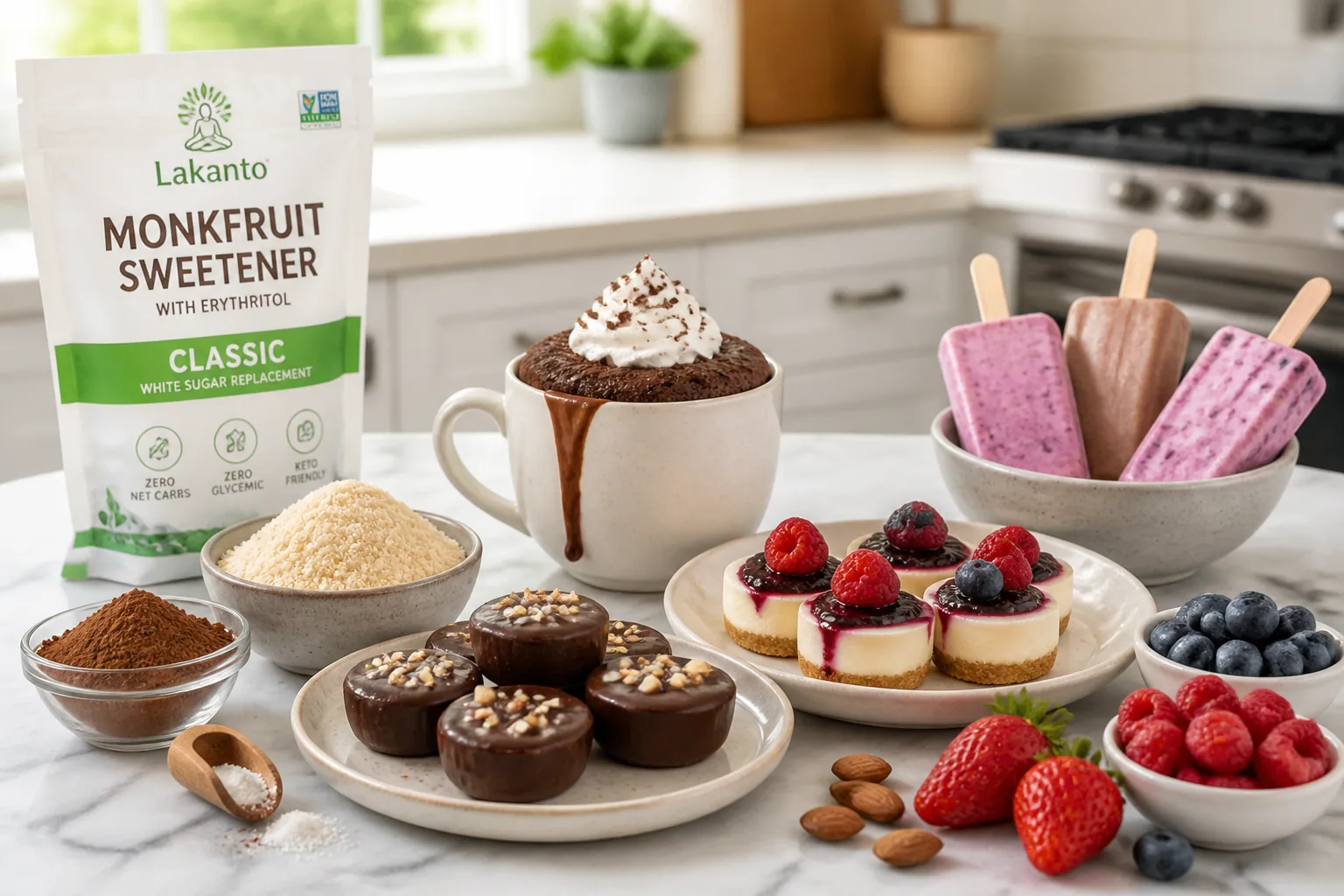
Perfect Keto-Friendly Desserts: Sweets That Don’t Kick You Out of Ketosis
Keto dessert cravings are completely normal. In fact, they often show up right when you are doing well with your low-carb routine. If you have cut out sugar, your brain may still be looking for the same familiar reward, especially at night, after a stressful day, or when you want a simple treat that feels satisfying. The good news is that dessert does not have to mean a sugar spike, a carb crash, or a setback. With the right ingredients and a little label reading, you can enjoy sweet foods that fit neatly into your carb budget and still keep your momentum going.
This is especially helpful for beginners, busy professionals, and anyone who does not want keto to feel like punishment. The trick is learning which ingredients work, which substitutions actually taste good, and which packaged sweeteners hide carbs behind confusing labels. Once you know the basics, keto desserts become practical, repeatable, and surprisingly easy to make.
Why Keto Dessert Cravings Happen and How to Handle Them
Cravings usually come from habit, not just hunger. If dessert has always followed dinner, your body starts expecting it. On keto, those cravings can also feel louder at first because your meals may be lower in carbs than what you are used to. That does not mean you are doing anything wrong. It usually means you need better tools, not more willpower.
The best way to handle dessert cravings is to plan for them. Keep one or two keto-friendly desserts in your routine so you are not forced to improvise when the craving hits. Choose treats with enough fat, fiber, and flavor to feel satisfying, and keep portions realistic. A small but rich dessert often works better than a large one that still leaves you wanting more.
It also helps to look at timing. Sometimes what feels like a sweet craving is really a need for a more filling dinner or a more structured snack earlier in the day. If you are consistently reaching for dessert because you are under-eating, that is a sign to rebalance your meals first.
The Best Keto Dessert Ingredients to Keep in Your Pantry
A good keto dessert pantry starts with a few reliable ingredients that can do most of the work. Monk fruit, stevia, allulose, cocoa powder, almond flour, coconut flour, nut butters, cream cheese, heavy cream, and unsweetened coconut are the core building blocks for easy low-carb sweets. With those on hand, you can make everything from mug cakes to fat bombs without a long grocery list.
Pure monk fruit extract and stevia both supply zero net carbs and have a glycemic index of zero, which makes them useful when you want sweetness without adding blood sugar impact. Allulose is another favorite because it is excluded from net carb and total sugar counts on FDA nutrition labels and is known for baking and browning well. That is one reason it works so nicely in cookies, sauces, and creamy desserts.
Erythritol also has a glycemic index of 0 and zero net carbs, though it still appears under total carbohydrate on labels. It can be helpful in baked desserts and no-bake treats, but some people do not love the cooling effect it leaves behind. Xylitol and maltitol are less ideal for stricter keto plans because xylitol has a higher net carb impact and maltitol can affect blood sugar much more strongly than many people expect.
If you want a simple pantry rule, keep it to sweeteners that are clearly low-carb and close to their natural form. A product may say keto on the front, but the ingredient list is what matters most.
Smart Sugar and Flour Swaps for Low-Carb Baking
Keto baking is mostly about replacing structure, not just replacing sugar. Sugar does more than sweeten a recipe. It also affects moisture, browning, and texture. That is why low-carb desserts often work best when you use a combo of sweetener, fat, and the right flour rather than a one-to-one sugar replacement and nothing else.
For flours, almond flour and coconut flour are the most common options. They behave very differently. Almond flour is richer, more moist, and generally easier for beginners. Coconut flour is much more absorbent, so you usually need far less of it and more eggs or liquid to balance the recipe. Research shows that almond flour is significantly lower in net carbs than coconut flour in equal amounts, with one quarter cup of almond flour at about 4 g net carbs versus roughly 8 g net carbs for the same volume of coconut flour. On a 100 g comparison, ketovale.com reports about 13.3 g net carbs for almond flour versus around 26.7 g for coconut flour, and Dr. Berg notes that one cup of coconut flour has about 54 g net carbs compared with about 10 g net carbs in one cup of almond flour. Sources: https://www.ketovale.com/coconut-flour-vs-almond-flour/ and https://www.drberg.com/blog/coconut-flour-vs-almond-flour
A practical rule is this: use almond flour for brownies, cookies, muffins, and crusts when you want a more familiar baked texture. Use coconut flour in small amounts when you need a very dry, absorbent flour and are willing to adjust liquids. If you are new to keto desserts, almond flour is usually the safer starting point.
Cocoa powder is another keto pantry essential. It adds deep chocolate flavor with very few carbs per serving, especially when used in small amounts. Nut butters, especially natural peanut butter or almond butter with no added sugar, bring richness and help desserts feel more filling. Coconut cream, cream cheese, and heavy cream all help create the silky textures that make keto desserts feel like real treats rather than diet food.
How to Read Labels on Sweeteners, Fibers, and Sugar Alcohols
Label reading matters a lot more on keto than on many other diets because dessert ingredients can look low-carb at first glance while still containing hidden carbs. The biggest thing to check is the ingredient list, not just the front of the package. Sweeteners blended with fillers like maltodextrin or dextrose can contribute hidden carbs and may not behave like true zero-carb sweeteners. Pure monk fruit or allulose are only truly zero-net-carb choices if they are not diluted with high-GI fillers. Source: https://whyz.com/learn/guides/monk-fruit-keto/
You also want to understand the difference between total carbs, net carbs, and sugar alcohols. Some sugar alcohols are much more keto-friendly than others. Erythritol is usually the easiest to work with because it has zero net carbs and a glycemic index of 0. Xylitol has a bigger carb impact, and maltitol is one of the least keto-compatible sugar alcohols because it can raise blood sugar more than people expect. Healthline notes that xylitol has about 4 g net carb impact per teaspoon and maltitol has a glycemic index of 35 to 52. Source: https://www.healthline.com/nutrition/sugar-alcohol-keto
Fibers can also be confusing. Some packaged keto desserts rely on isolated fibers to lower net carbs on paper, but that does not always mean the product is ideal for your body. If a dessert gives you bloating, gas, or a digestive upset, it may be the sweetener or fiber blend, not the recipe itself. Healthline also notes that eating more than about 35 to 40 g of polyols per day may cause digestive symptoms like bloating, gas, or diarrhea, especially for people with sensitive guts or IBS. Source: https://www.healthline.com/nutrition/sugar-alcohol-keto
If you want a simple in-store shortcut, scan the label for three things: the sweetener type, the total sugar amount, and whether the product contains fillers that can quietly add carbs. That is where a tool like Keeto - Keto Made Easy can be genuinely useful, because it lets you scan a product and instantly see whether it fits your carb budget: https://findthe.app/keeto-5m0vbj
These are one of the easiest keto desserts to keep on hand when you want something rich and fast. You only need cream cheese, cocoa powder, a keto sweetener, butter or coconut oil, and vanilla extract. Mix everything together, portion into small molds, and chill until firm. The result is a smooth, chocolatey bite that feels indulgent without needing a full recipe sheet.
Approximate net carbs: about 1 g to 2 g per fat bomb, depending on size and sweetener choice. If you use allulose or pure monk fruit, the carb count stays especially low. The key is keeping each piece small enough that it feels like a treat rather than a snack you can mindlessly overeat.
5-Ingredient Keto Mug Cake for Busy Weeknights
A mug cake is perfect when you want dessert now and do not want to dirty a sink full of dishes. A basic version can be made with almond flour, egg, cocoa powder, baking powder, and a keto sweetener. Stir everything in a mug, microwave briefly, and top with a spoonful of whipped cream or a few berries if your carb budget allows.
Approximate net carbs: about 4 g to 6 g per mug cake. Almond flour keeps the texture tender, while cocoa gives it a brownie-like flavor. This is a strong choice for beginners because it feels like a real dessert, not a compromise.
No-Bake Cheesecake Bites with Low Net Carbs
Cheesecake is naturally keto-friendly when you skip the crust or use a very light nut-flour base. For a no-bake version, combine cream cheese, heavy cream or whipped cream, a zero-carb sweetener, vanilla, and a little lemon zest. Spoon or pipe into small cups and chill until set.
Approximate net carbs: about 2 g to 4 g per serving. If you want a more dessert-shop feel, top with a few crushed nuts or a tiny spoonful of unsweetened berry puree. The richness makes this an excellent option when you want something satisfying in a small portion.
Frozen Keto Yogurt Bark or Cream Pops
Frozen desserts are a great summer option because they deliver sweetness and texture without much effort. For yogurt bark, use full-fat unsweetened Greek yogurt or coconut yogurt, a keto sweetener if needed, and a few chopped nuts or sugar-free chocolate pieces. Spread it thin, freeze, and break into shards. For cream pops, blend heavy cream with vanilla and a sweetener, then freeze in molds.
Approximate net carbs: about 2 g to 5 g per serving, depending on the yogurt used. This works especially well when you want something cold and refreshing after dinner but still want to stay within a strict carb limit.
Quick Peanut Butter Cocoa Cups
These are a keto version of the classic chocolate-peanut butter combination. Melt natural peanut butter with a little butter or coconut oil, add cocoa powder and your preferred sweetener, then pour into mini muffin liners or silicone cups. Chill until solid. That is it.
Approximate net carbs: about 2 g to 3 g per cup. Keep in mind that peanut butter still contains some carbs, so portion size matters. If you want to keep it even lighter, use almond butter instead. The flavor is slightly different, but the texture is just as satisfying.
Simple Berry-and-Cream Dessert Ideas
Not every keto dessert has to be baked or chocolate-based. Sometimes the simplest answer is the best one. A small bowl of whipped cream with a few raspberries or blackberries can feel like a real dessert while staying relatively low in carbs. You can also layer berries with sweetened cream cheese or mascarpone for a quick parfait-style treat.
Approximate net carbs: about 3 g to 6 g per serving, depending on the fruit. Berries are usually the easiest fruit choice for keto because they offer sweetness and flavor without the carb load of bananas, mangoes, or grapes. Keep the portion modest and you can enjoy the freshness without overthinking it.
Portion control is one of the most underrated keto skills. A dessert can be perfectly keto in ingredients but still push you over your carb goal if you eat too much of it. That is why small-batch recipes are so useful. They give you a defined serving instead of a container of something you can keep picking at all night.
A good strategy is to decide in advance how much of your daily carb budget you want to reserve for dessert. For many strict keto eaters, that might mean 2 g to 5 g net carbs after dinner. For others, especially those on a more moderate low-carb plan, dessert may fit into a larger range. The key is consistency. If you know your limit, you can build the rest of the day around it.
Another helpful habit is to pre-portion desserts into individual servings. Use mini cups, silicone molds, or small containers so your treat is already packaged when the craving hits. That way you are making a calm choice instead of an impulsive one. Pairing dessert with a protein-rich meal can also reduce the urge to overeat sweets later.
The most common mistake is assuming that anything labeled keto is safe in unlimited amounts. Keto ingredients can still add up, especially nut flours, nut butters, and dairy-based desserts. Even low-carb treats can stall progress if portion sizes get large or if you eat several “small” desserts in one day.
A second mistake is relying too heavily on sugar alcohols or specialty fibers without checking how your body responds. Some people tolerate erythritol well, while others feel bloated or hungry after certain sweeteners. If a product leaves you unsatisfied or uncomfortable, it is not the right dessert for you, even if the label looks perfect.
A third mistake is ignoring the ingredient quality of packaged keto snacks. If a sweetener is blended with dextrose or maltodextrin, the net carb count may not be as low as you think. If a bar or candy tastes extremely sweet but has a long list of additives, read carefully and compare it against your daily carb goal before assuming it fits.
Finally, do not let dessert become a loophole for grazing. Keto desserts should support your plan, not undermine it. The best approach is to enjoy them intentionally, track them when needed, and keep the recipes simple enough that you can repeat them without friction.
Keto-friendly desserts can absolutely be part of a sustainable low-carb lifestyle. Once you know how to choose the right sweeteners, use the right flours, and keep portions under control, you can enjoy chocolate, cheesecake, frozen treats, and cream-based sweets without losing your progress. The goal is not to eliminate dessert forever. The goal is to make dessert fit your life and your carb budget.