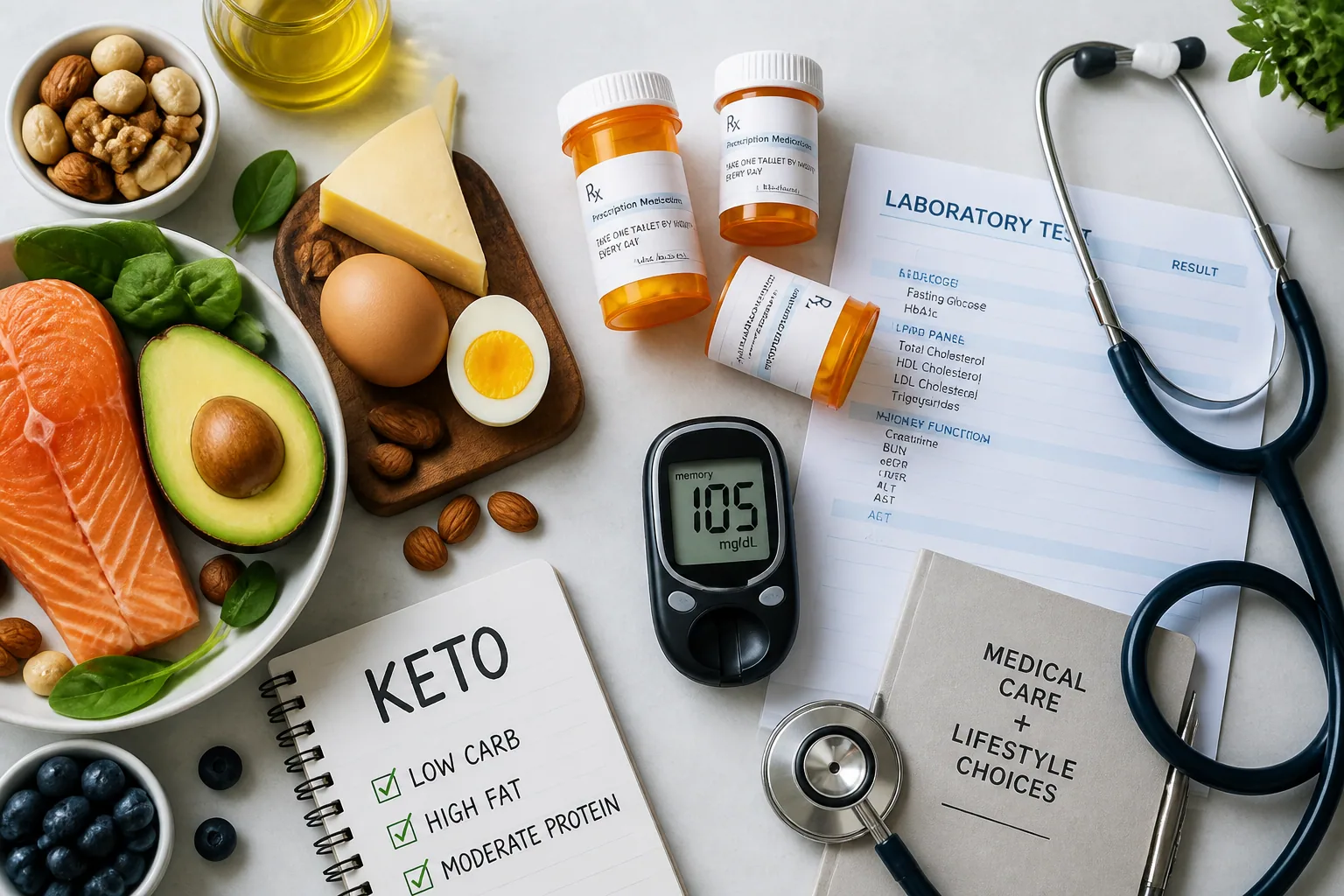
Navigating Keto Prescription Safety: When a One-Size-Fits-All Approach Can Backfire
Keto gets described as if it were a single, universal plan. In reality, it is a powerful metabolic shift, and powerful tools are not equally safe for everyone. For some people, a low-carb or ketogenic diet can support weight loss, blood sugar control, or appetite management. For others, it can amplify medication side effects, worsen underlying disease, or create dangerous complications that are easy to miss at first.
That is why the question is not simply whether keto “works.” The better question is whether keto is appropriate for your body, your medical history, and your current prescriptions. If you are taking glucose-lowering drugs, blood pressure medications, diuretics, or you have kidney, liver, pregnancy, or eating disorder concerns, a cautious approach matters. The goal is not to scare people away from low-carb eating. It is to help you make it safer, more personalized, and more sustainable.
Why Keto Is Not a Universal Prescription
Keto changes how your body gets energy. Instead of relying mainly on glucose, it shifts toward fat and ketone production. That can be helpful in the right context, but it also changes fluid balance, electrolyte needs, medication requirements, and the way certain lab markers look. A diet that is manageable and beneficial for one person may be risky for another, especially when there is diabetes, kidney disease, liver disease, or a history of restrictive eating in the picture.
This is one reason strict keto should never be treated like a default prescription. A person starting keto while taking insulin has very different risks than someone who is not on any medication. Someone with chronic kidney disease has different considerations than someone with normal kidney function. And someone who is pregnant, breastfeeding, underweight, or recovering from an eating disorder needs a far more careful conversation before making major carb cuts.
Who Should Pause Before Starting Keto
Some people should stop and get medical guidance before trying strict keto. This includes anyone with diabetes who uses insulin or other glucose-lowering medications, people with chronic kidney disease, liver disease, pancreatitis, pregnancy or breastfeeding, a history of eating disorders, very low body weight, or a known inherited disorder of fat metabolism. If you fit into one of these groups, the issue is not just whether keto is trendy or effective. It is whether your body can tolerate the metabolic shift safely.
There are also people who may not have an absolute reason to avoid low-carb eating, but still deserve extra caution. That includes older adults, people with reduced appetite, individuals who exercise heavily, anyone with frequent illness, and people with a history of dehydration or electrolyte problems. Keto can lower insulin and glycogen stores, which also lowers water retention, so the transition period can be especially rough for some bodies.
The Essential Health Screenings to Get First
Before starting keto, a few basic screenings can reveal whether a strict version is a bad fit or whether you need medical supervision. Blood glucose testing is important if you have diabetes, prediabetes, or symptoms such as frequent thirst, urination, fatigue, or unexplained weight changes. A medication review is equally important because keto can change your need for glucose-lowering drugs very quickly.
Kidney and liver function tests are also worth discussing with your clinician. Kidney function matters because dehydration, acid load, and shifts in mineral handling can become more problematic in chronic kidney disease. Liver function matters because severe liver disease can impair ketone handling and make keto unsafe. Lipid markers are another important checkpoint, because some people see a major rise in LDL cholesterol on keto, while others see triglycerides improve and HDL rise. Baseline numbers help you know what changed and whether the change is healthy or not.
If you have cardiovascular risk factors, it is also smart to review your full lipid profile rather than focusing on one number. Research shows that lipid responses to ketogenic diets are highly variable, and baseline genetics, fat quality, and weight loss all affect the outcome. In other words, “keto-friendly” does not always mean “heart-friendly” for every person, especially if the diet is heavy in saturated fat. Source: https://pmc.ncbi.nlm.nih.gov/articles/PMC12777878/
Medications That Can Interact Poorly With Ketosis
Medication review is one of the most overlooked parts of starting keto. As carbohydrate intake drops, blood glucose can fall, fluid loss can rise, and your usual dose may suddenly become too strong. This is especially important for insulin, sulfonylureas such as glipizide or glyburide, and other glucose-lowering agents. Sulfonylureas stimulate insulin release regardless of your current blood glucose, which raises the risk of hypoglycemia, especially in people with renal impairment, liver dysfunction, advanced age, low food intake, or combination therapy. Source: https://www.ncbi.nlm.nih.gov/books/NBK513225/
Insulin plus a very low-carb diet can be especially risky because insulin needs may drop quickly as carbohydrate intake falls or activity increases. Hypoglycemia becomes more likely during prolonged fasting, very low carb intake, or after weight loss when insulin sensitivity improves. Source: https://www.ncbi.nlm.nih.gov/sites/books/NBK279100/
Blood pressure medicines and diuretics can also need attention. Keto often causes an early drop in water weight, and that can combine with these medications to create dizziness, low blood pressure, dehydration, or electrolyte imbalance. If you are on antihypertensives or a diuretic, it is wise to monitor blood pressure and hydration closely and never assume that “natural” means risk-free.
Why SGLT-2 Inhibitors Deserve Special Attention
SGLT-2 inhibitors are in a category of their own. These diabetes medications can be very helpful in the right patient, but they have a known association with euglycemic diabetic ketoacidosis, or euDKA, especially when combined with a ketogenic or very low-carbohydrate diet. The concern is that keto may push the body further toward ketone production while the medication changes how glucose is handled, creating a dangerous metabolic mismatch. Research shows that even one dose of an SGLT-2 inhibitor plus a carb-restricted diet may trigger euDKA. Source: https://pmc.ncbi.nlm.nih.gov/articles/PMC7924151/
This matters because euDKA can be easy to miss. In classic diabetic ketoacidosis, blood glucose is usually very high. In euDKA, glucose may be only mildly elevated or even appear deceptively normal. One review found that the incidence of DKA among patients taking SGLT-2 inhibitors is about 0.7 to 1.6 per 1,000 patient-years in type 2 diabetes, and up to 70% of those cases are euglycemic. Source: https://pmc.ncbi.nlm.nih.gov/articles/PMC12979277/
Known risk factors that raise euDKA risk include reduced insulin levels, decreased carbohydrate intake, surgery or fasting, illness, dehydration, lean body habitus, and female sex. Source: https://guidelines.ukkidney.org/section-5-prescribing-sglt-2-inhibitors-safely/5a-diabetic-ketoacidosis/
If you take an SGLT-2 inhibitor and want to lower carbs, you should not do this on your own. This is a situation where the medication and the diet can interact in a way that becomes dangerous fast.
Red Flags for Rare Metabolic and Genetic Disorders
There are also less common but serious reasons keto may be unsafe. Rare inherited disorders of fat metabolism, such as primary carnitine deficiency or pyruvate carboxylase deficiency, can prevent normal ketone handling and make a high-fat, low-carb pattern dangerous. In those conditions, the body may not be able to generate or use fuel properly, which can lead to severe metabolic derangements. Source: https://pmc.ncbi.nlm.nih.gov/articles/PMC12777878/
These disorders are uncommon, but they matter because they are often not obvious until symptoms appear. A personal or family history of unexplained metabolic crises, severe hypoglycemia, exercise intolerance, muscle weakness, or episodes of vomiting and lethargy should prompt medical evaluation before making major dietary changes. If there is any suspicion of a metabolic disorder, keto should not be started casually.
Severe liver disease, especially acute liver failure, pancreatitis, and advanced kidney disease are also listed as absolute contraindications in the research because ketone production, fat handling, or clearance may be impaired enough to create risk rather than benefit. Source: https://pmc.ncbi.nlm.nih.gov/articles/PMC12777878/
Life Stages That Require Extra Caution
Pregnancy and breastfeeding are not good times for a rigid, restrictive ketogenic approach. During pregnancy, nutrient adequacy matters for both mother and baby, and strict keto can make it harder to meet folate, fiber, and other micronutrient needs. WebMD notes concerns about insufficient folic acid, excessive saturated fat, difficulty meeting macro- and micronutrient needs, and potential effects on fetal growth and maternal metabolic strain. Source: https://www.webmd.com/baby/are-keto-diets-safe-for-pregnant-women
Breastfeeding adds its own demands. Milk production requires energy, hydration, and enough carbohydrate and total calories to support maternal recovery and infant nutrition. A very restrictive plan can make it harder to eat enough, and in some people that can worsen fatigue, reduce intake, or create unnecessary stress around food.
Eating disorder history is another major caution flag. Very low-carb or very low-calorie approaches can intensify rigid food rules, trigger relapse, or make disordered thoughts around food worse. Research also highlights concern for people with very low BMI, underweight status, or high psychosocial stress, because extreme restriction can worsen both mental and metabolic stability. Source: https://pmc.ncbi.nlm.nih.gov/articles/PMC12777878/
How to Modify Keto When You Have Underlying Health Issues
If strict keto is not the best fit, that does not mean low-carb eating is off the table. Many people do better with a modified plan that reduces refined carbohydrates without driving carbs so low that medication, hydration, or nutrient issues become harder to manage. For some, that means a moderate low-carb approach instead of ketosis. For others, it means focusing on protein adequacy, fiber, and higher-quality fats while keeping carbs more flexible.
A safer version of low-carb eating often emphasizes unsaturated fats, non-starchy vegetables, adequate protein, and consistent meals. If you have kidney disease, liver concerns, or blood sugar medications, you may need individualized carb targets rather than a rigid 20-gram rule. If lipids rise sharply, it may help to reduce saturated fat and shift toward olive oil, nuts, seeds, avocado, and fish instead of butter-heavy or bacon-heavy keto patterns.
This is also where tracking tools can help you stay precise without becoming obsessive. A product like Keeto - Keto Made Easy can simplify grocery decisions by scanning foods, showing net carbs, and helping you track your carb budget in real time: https://findthe.app/keeto-5m0vbj. Used well, tools like this can make a more personalized low-carb plan easier to follow and less stressful to manage.
Warning Signs You Need Medical Help Right Away
Certain symptoms should never be brushed off as normal keto adaptation. Seek medical help if you have severe nausea or vomiting, abdominal pain, rapid breathing, confusion, extreme weakness, fainting, or signs of dehydration that do not improve. If you have diabetes and you feel very ill on keto, do not assume a normal glucose reading means you are safe, especially if you take an SGLT-2 inhibitor. euDKA can happen without the dramatic hyperglycemia people expect.
Likewise, recurrent dizziness, shakiness, sweating, or confusion can signal hypoglycemia if you are on insulin or sulfonylureas. Persistent muscle cramps, palpitations, or orthostatic symptoms may point to low fluid or electrolyte balance. In any of these situations, the right response is to pause the diet and contact a clinician rather than trying to push through.
When to Work With a Doctor or Registered Dietitian
Physician supervision is essential if you use insulin, sulfonylureas, SGLT-2 inhibitors, blood pressure medication, or diuretics, or if you have kidney, liver, or pancreatic disease. A registered dietitian can be especially helpful if you need a version of low-carb eating that still protects your nutrition, supports your sport or work demands, or fits your cultural food patterns. The more complex your medical picture, the less useful generic keto advice becomes.
This kind of support is not about making keto difficult. It is about making it safer. Medication doses may need to change, lab values may need to be monitored, and your carb target may need to be adjusted as your body adapts. That is much easier to do with professional guidance than through guesswork.
Safer Alternatives if Strict Keto Is Not Right for You
If strict keto feels risky or unsustainable, there are still good options. A moderate low-carb diet can lower added sugar and refined starches without pushing you into deep ketosis. A Mediterranean-style low-carb plan can be especially appealing for people who care about heart health, since it supports vegetables, seafood, legumes in controlled portions, olive oil, nuts, and seeds while keeping carbs lower than a standard diet.
Some people do best with carb awareness rather than carb elimination. That can mean choosing one or two meals per day that are lower in carbohydrate, avoiding liquid sugar, and eating enough protein and fiber to stay full. For others, the safest approach is simply a balanced, calorie-aware diet that stabilizes blood sugar and supports long-term adherence. The best plan is the one you can actually maintain without harming your health.
How to Build a Personalized, Sustainable Low-Carb Plan
A personalized low-carb plan starts with your labs, medications, history, and goals, not with internet rules. Ask whether your main goal is weight loss, blood sugar control, appetite management, or something else. Then decide how aggressive your carb reduction should be based on safety, not just enthusiasm. If your medications are stable, your kidneys and liver are healthy, and your lipid profile is favorable, strict keto may be reasonable with monitoring. If not, a gentler version may be the smarter path.
The most sustainable low-carb approach is the one that is medically appropriate, nutritionally complete, and realistic in your real life. That means enough protein, enough fluids, enough electrolytes, and enough flexibility to handle travel, illness, social events, and long-term adherence. Keto can be useful, but only when it is matched to the right person. When in doubt, personalize first and restrict second.