Keto on a Shoestring: How to Master Ketosis Without Breaking the Bank
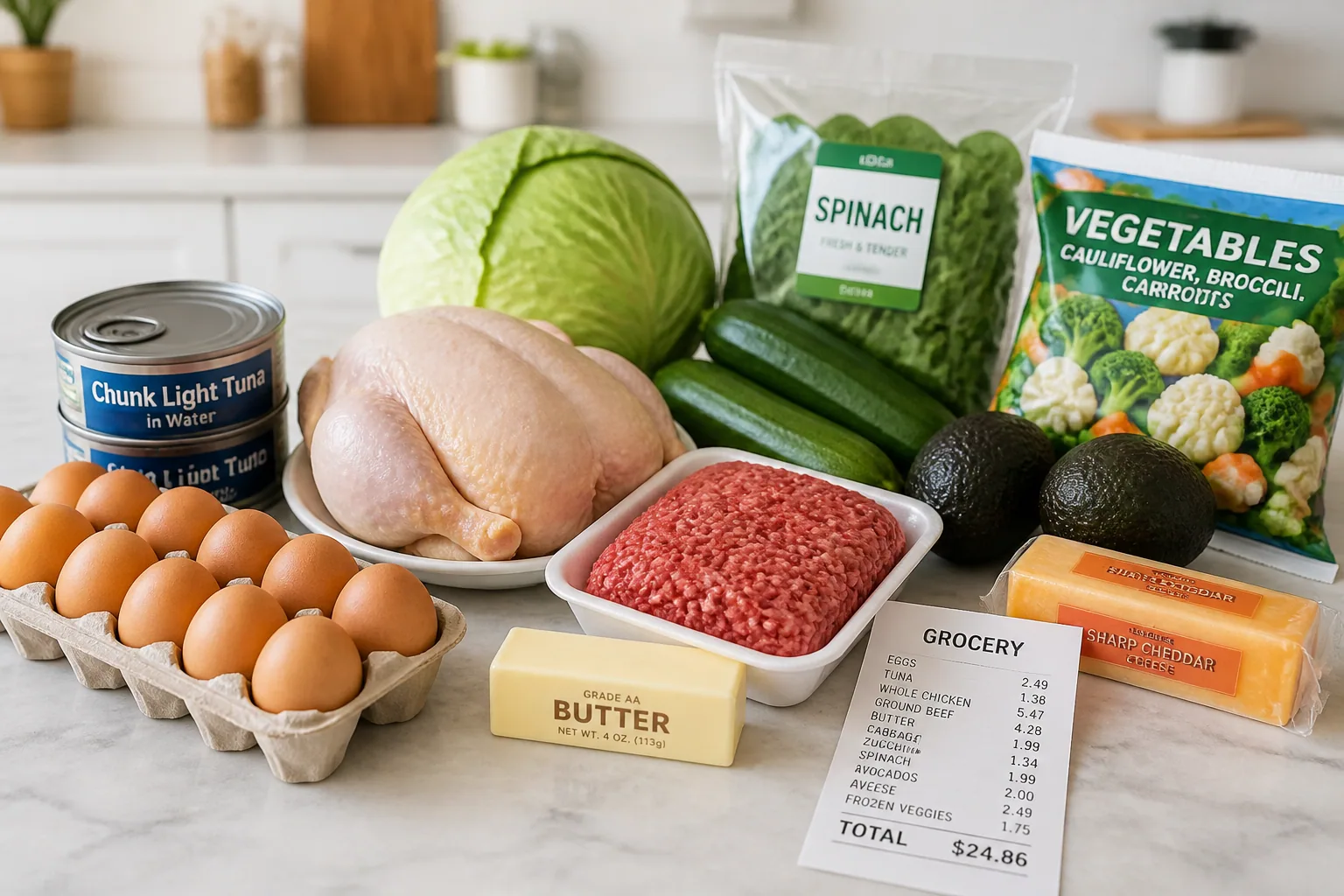
A lot of people assume keto is expensive because they look at the wrong foods first. If you start with keto-branded snacks, specialty breads, almond flour desserts, or premium fat bombs, the grocery bill can climb fast. But that is not the whole story. A budget-friendly keto diet is very possible when you build meals around eggs, canned fish, ground meat, chicken thighs, butter, cabbage, zucchini, and frozen vegetables. In fact, many beginners can stay in ketosis for far less than they expect if they focus on whole foods instead of convenience products.
The real trick is not finding the fanciest keto food. It is learning which foods give you the best macro value per dollar, how to shop strategically, and how to stop paying extra for packaging, branding, and novelty. If you do that, keto starts to look much more like a practical grocery plan than a luxury diet.
Why So Many People Think Keto Is Expensive
Keto gets a reputation for being pricey because the most visible keto products are usually the most expensive ones. Specialty bars, cookies, breads, and desserts are easy to spot in the store, and they are marketed as if they are necessary. They are not. They are convenience products, and convenience almost always costs more.
Another reason keto seems expensive is that beginners often try to replace every carb they used to eat with a low-carb substitute. That usually means buying almond flour, coconut flour, sugar alternatives, and packaged snacks all at once. Those ingredients can be useful in specific recipes, but they should not be the foundation of your diet if your goal is to save money.
It also helps to remember that many low-carb diets that include pricier meats, nuts, avocados, and full-fat dairy can land around $75 to $130 per week per person, according to Meal Prep Insider: https://mealprepinsider.com/how-much-does-meal-prep-cost-per-week/ That range is real, but it is not fixed. With more careful shopping and simpler food choices, you can push costs much lower.
The Biggest Budget Mistakes Keto Beginners Make
The first big mistake is buying keto-branded versions of foods you do not actually need. A keto cookie is still a cookie, and a keto bar is still a processed snack. The label may fit your macros, but the price often does not fit your budget.
The second mistake is relying too heavily on alternative flours and specialty baking ingredients. Almond flour is popular, but it is much more expensive per serving than eggs, cabbage, or ground beef. If you only bake occasionally, it can be fine. If you are using it daily, your grocery bill will feel it fast.
The third mistake is ignoring the most affordable protein sources. Beginners often gravitate toward steak, salmon, or packaged deli meat because they sound keto-friendly. But the budget staples are usually much simpler: eggs, ground beef, chicken thighs, canned tuna, and sardines.
The fourth mistake is buying pre-shredded cheese and pre-cut produce when a block of cheese or a whole cabbage would do the job just as well. As Thetavola notes, block cheese is usually more cost-effective than pre-shredded cheese, which can include filler additives and hidden extra cost per ounce. Frozen and canned vegetables also tend to cost 30 to 50 percent less than fresh versions while keeping comparable nutrition: https://thetavola.ai/blog/keto-diet-meal-plan/
What Keto-Branded Foods Really Cost Compared to Whole Foods
This is where the money problem becomes obvious. Specialty keto products are often dramatically more expensive than basic groceries. One keto ice cream or snack box can cost as much as a full homemade meal, which is why packaged keto food can quietly wreck a tight budget.
Compare that with basic staples. Ground beef at Costco has been priced around $4.99 to $5.99 per pound, averaging about $5.86 per pound, and gives you around 21 grams of protein and 6 grams of fat per 4-ounce serving with zero carbs, according to Warehouse Runner: https://app.warehouserunner.com/costco/33724 That is a very practical macro profile for keto, especially when you are trying to feed yourself for less.
A budget-friendly keto grocery list from Hearthlight suggests that for one person, proteins alone can be covered with about 3 pounds of ground beef, 3 pounds of bone-in chicken thighs, two dozen eggs, and four cans of tuna or sardines for roughly $30 to $35 total. That is a much better use of money than filling your cart with bars and specialty desserts: https://hearthlight.app/blog/keto-grocery-list-budget-friendly
The takeaway is simple. Keto foods are only expensive when you let marketing decide what belongs in your cart.
The Best Cheap Keto Staples for Protein, Fat, and Low-Carb Veggies
If you want budget keto to work, you need staples that are cheap, filling, and easy to repeat. The best foods are not exotic. They are the foods that deliver protein, fat, and low carbs without wasting money.
Eggs are one of the best examples. They usually cost about $0.30 to $0.50 each and are virtually carb-free. They can be scrambled, boiled, fried, baked into casseroles, or used to stretch other ingredients. Few foods are as versatile and economical.
Ground beef is another cornerstone. Thetavola estimates a serving at about $1.50 to $2.00, while Costco pricing and local sales can make it even better value. It is filling, easy to season, and works for burgers, taco bowls, skillet meals, stuffed vegetables, and egg scrambles.
Chicken thighs are a budget favorite because they stay juicy, taste good with simple seasonings, and usually cost about $0.80 to $1.20 per serving. Bone-in, skin-on thighs are especially economical. Whole chickens can be even better if you are comfortable roasting and using leftovers for multiple meals.
Canned tuna and sardines are useful because they require no prep and store well. Tuna often runs about $0.80 to $1.00 per can, making it a low-effort protein option for lunches or quick dinners.
For fats, butter remains one of the cheapest and most useful keto staples, often around $0.20 to $0.30 per tablespoon. It is ideal for cooking eggs, finishing vegetables, and boosting satiety when meals need more fat.
For vegetables, cabbage, frozen broccoli, zucchini, cauliflower, and similar low-carb produce are your best friends. Cabbage in particular is a budget hero at roughly $0.30 to $0.50 per serving. Frozen broccoli is another standout at about $0.40 to $0.60 per serving. These foods keep carbs low while adding fiber, volume, and micronutrients.
A report from Thetavola also notes that store-brand, frozen, and canned keto-friendly vegetables tend to cost 30 to 50 percent less than fresh versions, which makes them especially helpful when you are trying to stay under budget without sacrificing nutrition: https://thetavola.ai/blog/keto-diet-meal-plan/
How to Measure Macro Value Per Dollar
A smart keto shopper does not just ask, ‘Is this low carb?’ The better question is, ‘How much protein, fat, and usable food do I get for each dollar I spend?’ That is macro value per dollar.
To estimate it, look at three things. First, the cost per serving. Second, the grams of protein and fat in that serving. Third, the net carbs. A good budget keto food gives you substantial protein or fat, keeps net carbs low, and leaves you feeling full.
For example, eggs are excellent value because they provide protein, fat, and almost no carbs at a low unit price. Ground beef gives you a lot of protein and enough fat to support ketosis. Chicken thighs offer a lower price per calorie than many premium meats. Butter is not a protein source, but it is a cheap way to add fat and satiety to meals built around leaner ingredients.
In contrast, some keto snacks deliver poor macro value. A bar may cost several dollars and provide only modest protein, a dose of sweeteners, and a long ingredient list. A homemade meal built from eggs, cabbage, and ground beef will almost always win on both price and quality.
If you want a simple rule, choose foods that are either protein anchors, fat finishers, or low-carb volume foods. That framework makes shopping much easier.
Smart Shopping Strategies: Sales, Store Brands, Bulk Buys, and Frozen Foods
The biggest savings usually come from shopping habits, not from complicated recipes. If you want keto to stay affordable, start thinking like a bargain shopper.
Buy protein in bulk when the price is good. Ground beef, chicken thighs, whole chickens, and eggs often become much cheaper when you buy larger quantities. You can portion and freeze them at home, which gives you low-cost meals for weeks.
Choose store brands whenever possible. With basics like eggs, canned tuna, butter, cheese, frozen broccoli, and cabbage, store brands are often just as good as national brands and usually less expensive.
Shop sales cycles instead of shopping randomly. Meat often goes on sale in predictable cycles, and when it does, you can stock up. If ground beef is discounted, buy extra. If chicken thighs are on promotion, fill the freezer. That approach is much more effective than paying full price every week.
Use frozen and canned foods strategically. Frozen vegetables are often cheaper than fresh and can be kept on hand for quick dinners. Canned tuna and sardines are shelf-stable protein options that help you avoid expensive last-minute takeout or convenience purchases.
The cheapest meal plans often use a mix of fresh, frozen, and canned foods rather than trying to make every ingredient fresh. That is not cutting corners. It is smart budgeting.
How to Build a Keto Pantry Without Overspending
A budget keto pantry should be small, useful, and easy to rotate. You do not need dozens of specialty items. You need a few dependable basics that can become many different meals.
Start with protein staples: eggs, canned tuna, sardines, ground beef, chicken thighs, and if you want another inexpensive option, canned chicken. These provide the backbone of breakfast, lunch, and dinner.
Then add fat sources: butter, mayonnaise, cooking oil, and block cheese. These help you stay satisfied and make simple foods taste better. Butter is especially useful because it is cheap and versatile.
For vegetables, keep cabbage, zucchini, frozen broccoli, cauliflower rice, and spinach in rotation. Cabbage is one of the most overlooked keto staples because it is inexpensive, filling, and easy to sauté, roast, or shred into slaw. Frozen vegetables are especially helpful when you want to avoid waste.
Finally, keep seasonings basic but effective: salt, pepper, garlic powder, onion powder, paprika, chili powder, and vinegar. Good seasoning makes budget food feel much more satisfying, which matters a lot when you are repeating ingredients all week.
A $75-Per-Week Keto Meal Plan With Costs and Carb Counts
Here is a realistic one-person keto week built around affordable whole foods. It is designed to stay close to a $75 budget while keeping net carbs low and meals simple. The numbers are estimates, but they show how practical keto can be when you focus on staples rather than specialty items.
Estimated weekly grocery basket: 2 dozen eggs, 3 pounds ground beef, 3 pounds chicken thighs, 4 cans tuna, 2 pounds cabbage, 2 pounds zucchini, 2 pounds frozen broccoli, 1 block cheese, butter, mayonnaise, and seasonings. Depending on your local prices, this can often fit in the $45 to $75 range, and sometimes lower if you catch sales or buy in bulk. That aligns with budget meal plans that have come in around $45 to $50 per week and under $8 per day using whole-food staples, as noted by Consillar: https://consillar.com/blog/beginner-keto-meal-plan-7-day
Day 1: Breakfast of 3 eggs cooked in butter with cheese, lunch of tuna salad with cabbage, dinner of ground beef and zucchini skillet. Estimated cost: about $8 to $10. Estimated net carbs: about 18 to 20 grams.
Day 2: Breakfast of egg scramble with leftover ground beef, lunch of chicken thigh with broccoli, dinner of buttered cabbage and another chicken thigh. Estimated cost: about $9 to $11. Estimated net carbs: about 16 to 19 grams.
Day 3: Breakfast of boiled eggs and cheese, lunch of tuna with mayo over cabbage, dinner of ground beef and broccoli. Estimated cost: about $7 to $9. Estimated net carbs: about 17 to 20 grams.
Day 4: Breakfast of fried eggs and zucchini, lunch of chicken thighs with cabbage slaw, dinner of beef patties with buttered broccoli. Estimated cost: about $8 to $10. Estimated net carbs: about 18 to 21 grams.
Day 5: Breakfast of 3 eggs and leftover chicken, lunch of tuna salad, dinner of ground beef with sautéed zucchini and cabbage. Estimated cost: about $8 to $10. Estimated net carbs: about 18 to 22 grams.
Day 6: Breakfast of cheesy eggs, lunch of chicken thigh with broccoli, dinner of beef and cabbage skillet. Estimated cost: about $8 to $10. Estimated net carbs: about 17 to 20 grams.
Day 7: Breakfast of eggs with butter and seasonings, lunch of tuna with cabbage, dinner of chicken thighs with zucchini and broccoli. Estimated cost: about $8 to $10. Estimated net carbs: about 16 to 20 grams.
This kind of plan is not glamorous, but it is sustainable. It relies on foods that are affordable, easy to cook, and low in carbs. That is exactly what most beginners need.
Easy Low-Cost Keto Recipes You Can Repeat All Week
You do not need complicated recipes to make budget keto work. In fact, the best recipes are usually the simplest ones because they are fast, repeatable, and made from ingredients you already have.
Egg and beef scramble: Brown ground beef, add eggs, season with salt, pepper, and garlic powder, then finish with a little cheese. This is one of the easiest high-protein meals you can make, and it reheats well.
Chicken thigh sheet pan dinner: Roast chicken thighs with cabbage wedges or zucchini on the same tray. Add butter or oil and season well. This gives you a low-effort dinner with leftovers for lunch.
Tuna cabbage bowls: Mix tuna with mayonnaise, salt, pepper, and a little mustard or vinegar, then serve over shredded cabbage. It is cheap, quick, and filling.
Butter broccoli skillet: Sauté frozen broccoli in butter until hot and tender, then top with cheese or a fried egg. This is a useful side dish or light meal when you need to keep carbs low without spending much.
Beef and zucchini skillet: Brown ground beef, add chopped zucchini, and season generously. The zucchini stretches the meal without adding many carbs, which makes it great for budget control.
How to Stay in Ketosis Without Fancy Products
Staying in ketosis is much easier when you stop treating keto like a snack aisle and start treating it like a simple food framework. Keep your daily carbs low, build meals around protein, and use fat to make meals satisfying. You do not need processed keto cookies to do that.
A few simple habits make a big difference. Keep carbs low by centering meals on eggs, meat, fish, butter, cheese, and vegetables like cabbage and broccoli. Avoid sugary drinks and carb-heavy substitutes. Do not let snack foods crowd out real meals. And pay attention to portions, especially with cheese, nuts, and specialty items that can add up fast.
If grocery-store math feels overwhelming, a tool like Keeto - Keto Made Easy can help. You can scan products in-store, instantly see whether they are keto-friendly, and track how many net carbs each item uses from your daily limit. It also helps you organize shopping lists and build meals from what you already have: https://findthe.app/keeto-5m0vbj
That kind of support can be especially helpful for beginners who want to avoid impulse purchases and stay focused on foods that actually fit their budget and macro goals.
Final Tips for Making Budget Keto Sustainable
The best budget keto plan is the one you can repeat without stress. That means using a short list of foods, keeping meals simple, and shopping with a plan instead of guessing at the store.
Try to repeat ingredients across multiple meals so nothing goes to waste. Use leftovers on purpose. Freeze extra meat before it spoils. Keep frozen vegetables on hand for backup dinners. And remember that cheaper does not mean worse if the food helps you stay full, stay in ketosis, and stay consistent.
Most importantly, do not let keto marketing make you feel like you need expensive products to succeed. You do not. Eggs, ground beef, chicken thighs, canned fish, butter, cabbage, zucchini, and frozen vegetables are enough to build a real, satisfying ketogenic diet on a shoestring.
If you focus on whole foods, shop smart, and ignore the hype, keto becomes much more affordable than most people think. And that makes it far easier to stick with long enough to see results.