Keto Meets Metabolic Health: What Everyone Overlooks About Insulin Resistance and Hormone Therapy
Keto can be a powerful tool for blood sugar stability, appetite control, and metabolic reset, but it is not as simple as cutting carbs and waiting for the results. Once insulin resistance, thyroid treatment, menopause, corticosteroids, or gender-affirming hormone care enter the picture, the body starts responding to ketogenic eating in more complicated ways. That is where many people get stuck: they are technically “doing keto,” yet their energy, glucose, cravings, mood, or labs are not improving the way they expected.
The missing piece is that ketosis does not happen in a vacuum. Insulin signaling, stress hormones, sex hormones, thyroid function, inflammation, and medication timing all affect how your body uses fuel. For some people, keto improves insulin sensitivity and metabolic health. For others, it can backfire if protein is too low, fats are mostly saturated, fibre is neglected, or a hormone therapy plan is changing glucose control behind the scenes.
This guide breaks down the physiology, the common blind spots, the lab markers worth watching, and the practical food choices that can make keto more supportive of real metabolic health rather than just lower carb numbers.
Why Keto Gets More Complicated With Insulin Resistance and Hormone Therapy
At a basic level, keto lowers dietary glucose exposure, which can reduce the amount of insulin your body needs to manage meals. That is one reason it often helps people with prediabetes, metabolic syndrome, or weight-related insulin resistance. But if insulin signaling is already impaired, the body may be more sensitive to the quality of the diet, the amount of stress hormone activity, and the way medications or hormones are shifting fuel handling.
Insulin resistance is not just about sugar. It is also about how muscle, fat, and liver cells respond to insulin’s signal to store or release energy. If that signaling is broken, even a lower-carb diet can feel unstable when the rest of the system is under pressure. That includes pregnancy and perimenopause shifts, thyroid over- or under-replacement, chronic inflammation, corticosteroid use, or dramatic changes in sex hormones during menopause or gender-affirming care.
The core idea is simple: keto may lower glucose input, but it does not automatically normalize insulin sensitivity, hormone balance, or metabolic flexibility. In many cases, the details matter more than the carb count.
The Physiology: Insulin Signaling, Blood Sugar, and Hormonal Shifts
Insulin’s job is to help move glucose into tissues and to suppress glucose release from the liver. When insulin sensitivity improves, less insulin is needed to keep blood sugar steady. That is one reason lower-carb eating can be helpful. But insulin sensitivity is influenced by body composition, inflammation, sleep, stress hormones, thyroid status, and estrogen-progesterone balance.
Research supports the idea that fat type matters. In the OmniHeart randomized feeding trial, replacing carbohydrates with unsaturated fats while keeping weight stable improved insulin sensitivity more than higher-carbohydrate or high-protein patterns, lowering HOMA-IR and improving HbA1c. A larger meta-analysis of 102 controlled feeding trials, involving 4,220 adults, found that replacing 5% of energy from carbohydrates with polyunsaturated or monounsaturated fats significantly lowered fasting insulin, HbA1c, and insulin resistance, while replacing saturated fats with PUFA improved insulin secretion capacity. These findings reinforce an important keto lesson: fat quality can influence metabolic health as much as carb restriction does. Sources: https://diabetesjournals.org/care/article/36/5/1132/29442/The-Effects-of-Carbohydrate-Unsaturated-Fat-and and https://pubmed.ncbi.nlm.nih.gov/27434027/
Hormonal shifts can layer on top of this. Estrogen generally supports better insulin sensitivity, while a drop in estrogen during menopause can make glucose control harder for some people. Progesterone can also alter appetite, sleep, and fluid balance. In thyroid care, too much thyroid hormone can push insulin resistance higher, especially when glucose is already elevated. Corticosteroids are even more disruptive, because they raise hepatic glucose output and reduce peripheral glucose uptake. In other words, the same keto plan can behave very differently depending on what your hormones are doing.
When Keto Helps Metabolic Health and When It Can Hinder Progress
Keto tends to help when the main issue is excess glucose exposure, frequent cravings, high triglycerides, or a pattern of post-meal glucose spikes. People with prediabetes or metabolic syndrome often do well when they replace refined carbs with minimally processed proteins, low-carb vegetables, and unsaturated fats. They may notice steadier energy, less hunger, and improvements in fasting glucose or A1c over time.
But keto can hinder progress when it becomes a high-saturated-fat, low-fibre, ultra-processed food pattern. That version of keto may still be low in carbs, yet it can be poor for insulin sensitivity, gut health, and inflammation. It can also backfire if protein is too low, because too little protein can reduce satiety, undermine lean mass, and make it harder to maintain healthy metabolism during weight loss or menopause.
Another common problem is stress load. If sleep is poor, training is excessive, or corticosteroids are on board, the body may produce more glucose from the liver and remain in a higher insulin-resistance state despite low carb intake. That is when people often say, “keto stopped working,” when what really happened is that the metabolic context changed.
Macro Tweaks That Matter: Carbs, Protein, Fat Quality, and Fibre
A better keto approach is usually more precise, not more extreme. Carbs still need to stay low enough for ketosis if that is the goal, but the type of carbs matters too. Non-starchy vegetables, herbs, nuts, seeds, and small servings of berries often fit better than “keto” treats or heavily processed packaged snacks.
Protein deserves special attention. Many people under-eat protein on keto because they fear being “kicked out” of ketosis. In reality, adequate protein supports muscle preservation, satiety, and stable blood sugar. The goal is not zero protein, but enough high-quality protein to support lean mass while keeping carbohydrates low. For many people, a moderate protein intake works better than an overly fatty, protein-poor plan.
Fat quality matters just as much. The research above suggests that unsaturated fats and polyunsaturated fats are especially supportive of insulin sensitivity. That means leaning more often on olive oil, avocado, nuts, seeds, fatty fish, and other omega-3-rich foods, while not making butter, cream, coconut oil, and processed meat the foundation of every meal.
Fibre is another overlooked piece. Even on keto, fibre helps with glycemic control, satiety, microbiome health, and bowel regularity. Low-carb vegetables, chia, flax, hemp, and psyllium can help keep meals metabolically balanced without pushing carbs too high.
Best Low-Carb Foods for Insulin Sensitivity and Hormone Support
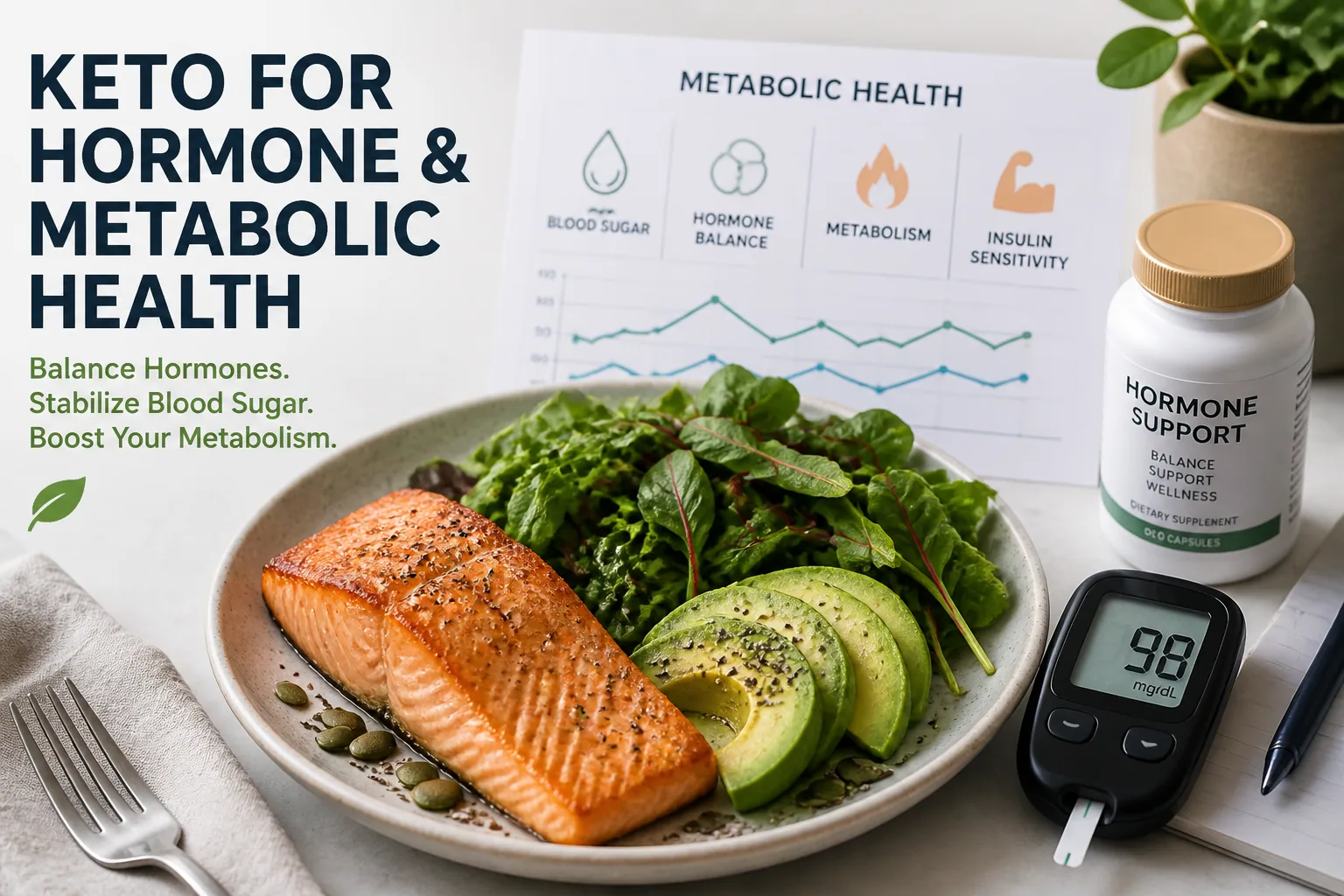
A metabolically smart keto plate usually starts with protein and plants, then adds fats intentionally. Good options include salmon, sardines, eggs, chicken, tofu if tolerated, Greek yogurt in modest portions if it fits your carb target, leafy greens, broccoli, cauliflower, zucchini, asparagus, cucumbers, olives, avocado, chia seeds, flaxseed, walnuts, and pumpkin seeds.
For insulin sensitivity, fish and omega-3-rich foods are especially useful because they support triglyceride control and may help calm inflammation. Olive oil, avocado, and nuts are practical choices when the goal is to replace some saturated fat with monounsaturated and polyunsaturated fats. This is one of the most important upgrades for anyone doing keto for metabolic health rather than just ketone numbers.
For hormone support, food consistency also matters. Regular meals with enough protein and fibre can reduce the blood sugar swings that worsen irritability, fatigue, and cravings during perimenopause or with irregular cycles. In PCOS, ketogenic diets have also shown promise. A systematic review found that a eucaloric isonitrogenous ketogenic diet over 4 to 24 weeks improved gonadal hormones in women with PCOS, lowering testosterone, improving the LH/FSH ratio, enhancing insulin sensitivity, and supporting more regular menstrual cycles. Source: https://pubmed.ncbi.nlm.nih.gov/40618222/
Hormone Therapy Considerations: Thyroid, Menopause, Corticosteroids, and Gender-Affirming Care
Thyroid treatment deserves careful timing and monitoring. Thyroid hormone excess can increase insulin resistance, especially when glucose levels are already high. Experimental work has shown that T4 administration can decrease insulin receptor binding and impair insulin-induced glucose metabolism under elevated glucose conditions. If thyroid dosing is too high, a person may feel wired, hungry, or unable to stabilize blood sugar well on keto. Source: https://pubmed.ncbi.nlm.nih.gov/3519650/
Menopause and hormone therapy can go in either direction depending on the formulation and dose. A study in postmenopausal women found that moderate oral estrogen replacement improved insulin sensitivity by about 25%, while higher doses or the addition of progestin could attenuate or reverse that benefit. Larger meta-analyses suggest menopausal hormone therapy can reduce insulin resistance and lower type 2 diabetes risk, especially when estrogen is paired with progestogens that are more neutral on glucose metabolism, such as micronized progesterone or dydrogesterone. Source: https://academic.oup.com/ejendo/article/193/4/G49/8281862?searchresult=1
Corticosteroids are a different story. They increase hepatic gluconeogenesis, impair peripheral glucose uptake, and can induce insulin resistance even in people without prior diabetes. Even short-term glucocorticoid use, as little as 3 to 7 days, can cause hyperglycemia by disrupting insulin signaling in muscle, fat, and liver. Acute cortisol elevation can also destabilize ketone and free fatty acid patterns, which means ketosis may become less stable when steroid exposure rises. Sources: https://academic.oup.com/jcem/article/97/1/16/2833111 https://journals.physiology.org/doi/full/10.1152/physrev.00021.2023 and https://pubmed.ncbi.nlm.nih.gov/7004043/
For gender-affirming hormone care, the practical lesson is to watch for appetite changes, changes in body composition, and shifts in glucose tolerance after dose adjustments. Because hormones influence insulin sensitivity and energy regulation, the same low-carb plan may need more protein, better meal timing, or closer lab monitoring after therapy changes. The goal is not to fear keto, but to adapt it to the current hormonal state.
Processed Keto Foods, Sweeteners, and Hidden Ingredients to Watch
One of the biggest mistakes in keto is assuming anything labeled keto-friendly is automatically metabolically supportive. Many packaged keto products are ultra-processed, high in saturated fat, and built around low-quality sweeteners or starches that can still cause appetite rebound, gut upset, or less stable glucose control.
Watch for ingredient lists full of sugar alcohols that trigger digestive symptoms, refined seed oils in heavily processed snack foods, and “keto” desserts that encourage grazing rather than real satiety. Some bars and baked goods may technically fit macros while still being poor choices for insulin resistance because they offer little fibre, little protein, and a highly engineered texture that makes overeating easier.
A good label rule is to ask: does this food look like a meal ingredient or a substitute candy? If it is the latter, it probably should be occasional rather than foundational.
If you want a faster way to sort acceptable products from misleading ones, a tool like Keeto - Keto Made Easy can help you scan items in-store and check whether they actually fit your carb target: https://findthe.app/keeto-5m0vbj
Signs Keto Isn’t Working for You
Keto is not a success just because the scale moves or carbs are low. Warning signs that the plan may not be working well include persistent fatigue, brain fog, dizziness, poor exercise recovery, constipation, sleep disruption, hair shedding, ongoing cravings, irritability, menstrual disruption, and worsening cholesterol or triglyceride patterns.
From a glucose standpoint, look out for fasting numbers that stay elevated, post-meal spikes that remain high despite low carb intake, or an increasing need for caffeine just to function. If appetite feels chaotic, if you are losing muscle, or if your energy only returns after frequent snacking, your current keto setup may be too aggressive or too low in protein and fibre.
People on corticosteroids or in active thyroid dose changes may also notice that ketosis becomes less predictable. In those cases, the issue may not be that keto is inherently wrong, but that the body needs a different macro balance, more monitoring, or a temporary pause while medication levels stabilize.
Key Lab Markers to Monitor With Your Clinician
The most useful labs are the ones that reflect both glucose control and the broader metabolic picture. Fasting glucose and HbA1c are the obvious starting points, but they do not tell the whole story. Fasting insulin, HOMA-IR, QUICKI, and related composite indices can reveal changes in insulin sensitivity earlier than A1c alone. A recent review also highlights the value of triglyceride-glucose product, waist circumference, adiponectin to leptin ratio, and inflammatory markers as useful signals of metabolic risk. Source: https://pmc.ncbi.nlm.nih.gov/articles/PMC11475114/
It can also help to track triglycerides, HDL-C, and possibly liver enzymes if fatty liver or metabolic syndrome is part of the picture. If you are working with hormone therapy, add the relevant medication monitoring recommended by your clinician, such as thyroid labs or menopause-related follow-up. The goal is not to chase a perfect chart, but to see whether the diet is improving insulin signaling and overall stability.
If you only watch one trend, pay attention to whether fasting insulin and triglycerides are moving down while energy, sleep, and satiety improve. That combination usually suggests keto is supporting metabolic health rather than just reducing carbs.
Sample Meal Ideas and Smart Food-Label Scanning Tactics
A balanced keto breakfast could be eggs cooked in olive oil with sautéed spinach and avocado, plus a sprinkle of chia or flax. Lunch might be salmon over a large salad with cucumber, olives, seeds, and an olive-oil based dressing. Dinner could be chicken, roasted broccoli, cauliflower mash with olive oil, and a side of zucchini or asparagus. These meals keep carbs low while still emphasizing protein, fibre, and unsaturated fat.
For snacks, think in terms of function, not just convenience. A boiled egg, a handful of walnuts, unsweetened yogurt if tolerated, celery with nut butter, or chia pudding can be more metabolically helpful than a keto cookie. If you need packaged products, scan for net carbs, added sweeteners, fibre content, protein content, and the main fat source.
When reading a label, ask three quick questions. First, are the net carbs low enough for my target? Second, is there enough protein or fibre to make this more than empty fat and sweetener? Third, is the fat source mostly unsaturated rather than highly processed or heavily saturated? If the answer is no to all three, it is probably not a great metabolic fit.
How to Personalize Keto for Safer, More Effective Metabolic Health
The best keto plan is the one that matches your physiology, your medications, and your goals. For some people, that means strict ketosis with close tracking. For others, it means a lower-carb Mediterranean style approach that still improves insulin sensitivity without pushing ketones too hard. The research consistently points in the same direction: unsaturated fats, adequate protein, and fewer ultra-processed foods are central to better metabolic outcomes.
If you are managing insulin resistance, menopause, thyroid disease, corticosteroid use, or hormone therapy, personalization matters even more. You may need to adjust meal timing, add more fibre, increase omega-3 intake, or work with your clinician to interpret whether symptoms are coming from the diet, the medications, or the interaction between the two.
The real goal is not just ketosis. It is better insulin signaling, steadier energy, healthier labs, and a plan that your body can actually sustain. When keto is built around those outcomes, it becomes much more than a carb-cutting strategy. It becomes a metabolic tool.