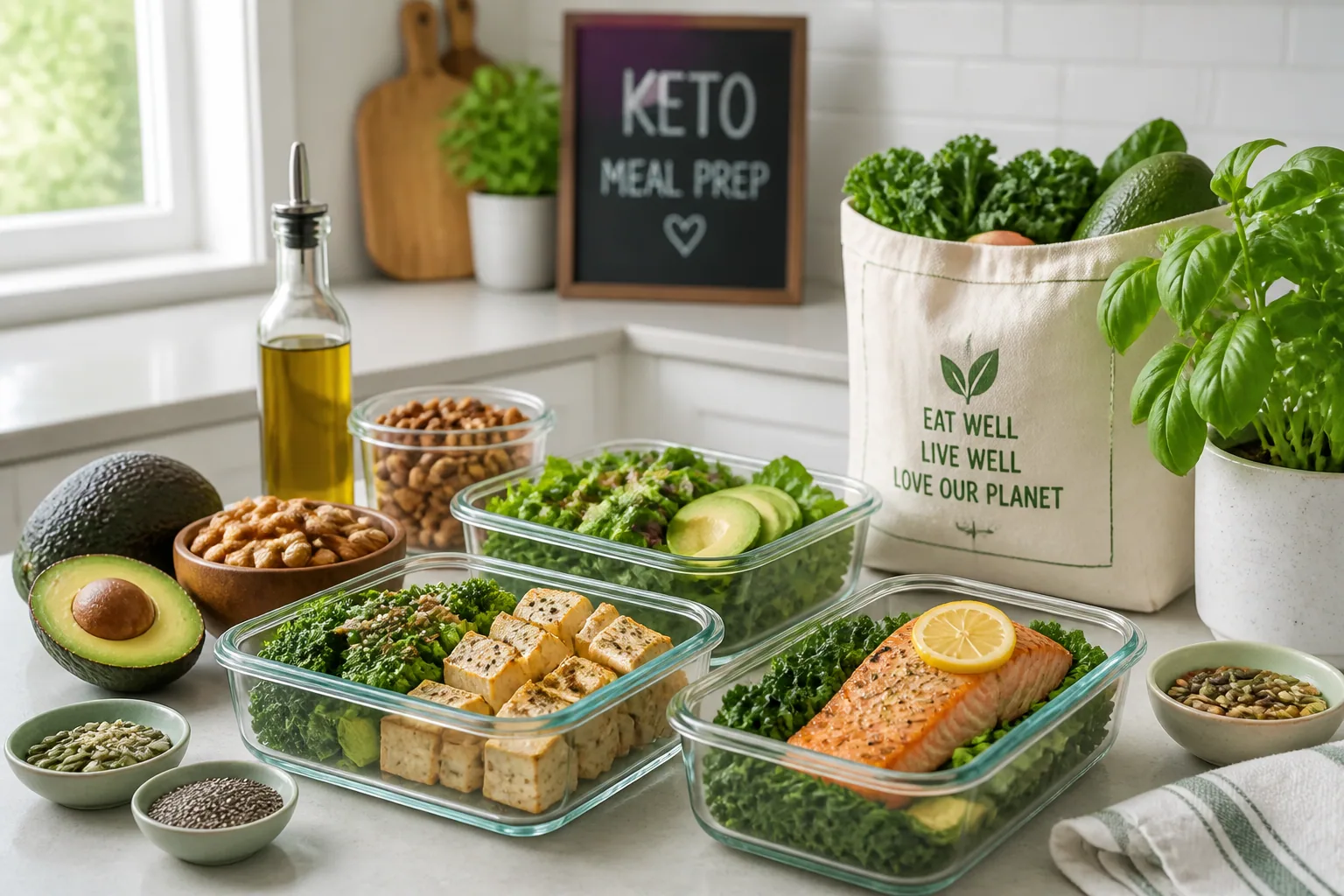
Keto Goes Green: How to Eat Ketogenically Without Costing the Earth
If you love keto for the energy, appetite control, and simplicity, it is worth asking a bigger question too: can this way of eating fit with the environmental values many health-conscious people care about? The short answer is yes, but not all keto styles are created equal. A beef-heavy, cheese-heavy, ultra-packaged version of keto has a very different footprint than one built around smarter protein choices, more plant-forward fats, and less food waste. The good news is that you do not have to abandon ketosis to eat more responsibly.
This guide breaks down what sustainable keto can look like in real life. We will look at the latest research, the biggest environmental hotspots in a typical keto diet, and practical swaps that still respect keto macros. We will also cover sourcing tips for animal products, easy ways to waste less food during meal prep, and a simple 1-week starter plan that makes greener keto feel doable instead of restrictive.
Why Sustainable Keto Matters Now
The food system has a large environmental footprint, and diets are one of the most direct ways individuals can shape demand. One U.S. cohort study notes that the food system contributes about 25% of anthropogenic greenhouse gas emissions, uses nearly 40% of cropland, and accounts for roughly 70% of freshwater withdrawals globally when irrigation is included. That means the everyday choices on your plate matter more than many people think.
Keto can either amplify or reduce those impacts depending on what fills your shopping cart. If your version of keto relies heavily on red meat, butter, cream, and wasteful convenience foods, your footprint can rise quickly. But if you shift some of that intake toward lower-carbon proteins, plant-based fats, and better planning, keto can become much more aligned with sustainability without losing the benefits that made you try it in the first place.
Can Keto Be Eco-Friendly? What the Latest Research Says
Recent research suggests that keto does not have to be environmentally expensive. A 2026 systematic review on plant-based ketogenic and low-carbohydrate diets found that these patterns lowered body weight by about 5 to 7 kg, improved lipid markers including LDL cholesterol, and reduced HbA1c. Importantly for this conversation, one study in the review found greenhouse gas emissions fell by about 0.63 kg CO₂ per day. That is a meaningful signal that keto can be redesigned in a more sustainable direction.
Other research points in the same direction. A systematic review on protein choices found that beef and lamb have the highest greenhouse gas emissions per gram of protein among common protein sources, while plant-based proteins and poultry generally rank lower. Another study reported that vegetarian meals tend to have 1.5 to 2 times lower environmental burden than equivalent nonvegetarian meals when plant-derived protein replaces meat. In practical terms, the more often you let plants, poultry, and seafood share the plate with animal foods, the easier it becomes to reduce your food footprint.
There is also growing interest in alternative protein categories beyond traditional meat. A scoping review found that plant-based, insect-based, fungi-based, algae-based, and cell-based alternatives generally use fewer natural resources and emit fewer greenhouse gases than conventional animal-source foods, with plant-based options showing the most consistent environmental advantages. For keto eaters, that is useful because it widens the list of practical ingredients rather than forcing an all-or-nothing approach.
The Biggest Environmental Hotspots in a Typical Keto Diet
The biggest footprint in keto usually comes from three places: red meat, dairy-heavy meal patterns, and food waste. Beef and lamb are the main climate hotspots because they are resource-intensive per gram of protein. In comparison, per 1 kg of food, beef can generate around 27 kg CO₂e, chicken about 6.9 kg, tofu about 3 kg, and lentils about 0.9 kg under U.S. life cycle estimates. On a protein basis, beef can emit 5 to 10 times more CO₂ than plant-based alternatives.
Dairy can also add up fast, especially when keto meals lean heavily on cheese, cream, butter, and packaged snacks made with dairy fats. Dairy is not automatically unsustainable, but when it becomes the base of every meal, the footprint and cost can rise. The same goes for overbuying specialty keto items that expire before you use them.
Finally, food waste is an underrated issue. The average American family of four wastes about $1,500 worth of food each year, and much of that waste happens during storage, meal prep, or simply forgetting what was purchased. Homes are responsible for about 35% of U.S. food waste, more than restaurants or grocery stores. That means a greener keto approach is not just about swapping ingredients. It is also about using what you buy.
Low-Carbon Protein Choices That Still Fit Keto Macros
Protein is where many keto meals are won or lost, both nutritionally and environmentally. If you want to lower your footprint without pushing yourself out of ketosis, the key is to treat beef as one option, not the default. Poultry, eggs, seafood, tofu, tempeh, and some protein-rich dairy can all work inside a keto framework depending on the rest of the meal.
Chicken and turkey are usually easier wins than red meat because they deliver high-quality protein with a much lower carbon footprint than beef or lamb. Seafood can also be a smart choice, especially when you choose lower-impact options and avoid species with heavy sustainability concerns. Eggs remain one of the most flexible keto staples, offering satiety and convenience with a relatively modest footprint compared with red meat.
Plant proteins deserve a bigger place in keto than they often get. Tofu, especially in firm or extra-firm forms, can fit well into low-carb meals when paired with fats like olive oil, avocado, or tahini. Tempeh and some soy-based products can also help build satisfying meals with fewer emissions per serving than most animal-based proteins. The same logic applies to a few legumes in carefully portioned amounts, although strict keto eaters will need to watch carbs closely.
The environmental advantage of these choices is not abstract. A review of dietary protein choices found that plant-based meals typically carry a lower burden than meat-based ones, and the U.S. life cycle figures show the scale difference clearly. For many keto eaters, the easiest move is not going fully vegetarian. It is simply replacing one or two red-meat meals per week with poultry, tofu, or seafood.
How to Use More Plant-Based Fats and Proteins on Keto
A greener keto diet often starts with fats, because fat is the nutrient that gives keto its structure. Instead of relying only on butter and cream, you can lean more on olive oil, avocado, olives, nuts, seeds, coconut, and nut butters in moderation. These foods are not only flavorful, they help create meals that feel richer and more varied without depending so much on animal fats.
For protein, plant-forward keto works best when you build around ingredients that are naturally low in net carbs and easy to pair with fats. Think tofu stir-fries with sesame oil, zucchini noodles with pesto and toasted seeds, cauliflower rice bowls with avocado and tempeh, or salads built around eggs, hemp hearts, and olive oil. The aim is not to force every meal to be vegan. It is to make plant foods central enough that the diet becomes less carbon-intensive overall.
You may also find that a more plant-forward keto pattern feels easier to sustain. The 2026 review suggested that plant-based ketogenic diets can improve weight, lipid markers, and blood sugar while also lowering emissions. That matters because the most sustainable diet is usually the one you can actually stay on. If a strategy helps your health and reduces your footprint at the same time, that is a strong sign you are moving in the right direction.
Smarter Ways to Source Beef, Dairy, Eggs, and Seafood
For many people, the goal is not to eliminate animal products entirely but to source them more thoughtfully. When you do eat beef, choose it more selectively. Smaller portions, fewer servings per week, and better-quality cuts can all help reduce your overall impact. In other words, make beef a featured ingredient instead of an everyday filler.
For dairy, the biggest improvement often comes from using less of it and wasting less of it. Buy only what you can realistically finish, choose plain products that are easier to repurpose, and use cheese as a garnish rather than the entire meal. Eggs are often a practical middle ground because they are versatile, nutrient-dense, and easy to portion. When it comes to seafood, selecting species with better environmental profiles and avoiding overconsumption of high-impact options can help you keep keto variety without ignoring sustainability.
This is also where labels, sourcing, and personal preference intersect. Buying local or regionally sourced products may reduce some supply chain emissions, but it does not automatically solve everything. What matters most is the overall pattern: less red meat, less waste, and more variety from lower-impact proteins. If you want a tool to keep your grocery decisions quick and keto-friendly, Keeto - Keto Made Easy can help by scanning products in store and showing you the net carbs instantly: https://findthe.app/keeto-5m0vbj
Keto Ingredient Swaps That Lower Your Footprint
The best green keto swaps are the ones you barely notice after a few meals. Swap part of a beef-based bowl for chicken, tofu, or eggs. Replace some cream-heavy sauces with olive oil vinaigrettes, avocado-based dressings, or tahini sauces. Use cauliflower, zucchini, cabbage, and mushrooms as volume-builders so your plate feels generous without needing a large amount of high-impact protein.
A few practical examples can help. Instead of steak and butter every night, try chicken thighs with herb oil and roasted vegetables. Instead of bacon-heavy breakfasts every day, rotate in eggs with avocado, smoked salmon, or tofu scramble. Instead of cheese as the main flavor in every dish, use it more strategically, adding just enough to boost satisfaction rather than making it the base of the meal.
Even small ingredient shifts matter because they compound over time. The environmental studies above show that protein choice alone can create big differences in emissions. So if you change only one meal per day, the cumulative effect over a month or year can be much larger than people expect.
How to Reduce Food Waste During Keto Meal Prep
Food waste is one of the easiest places to improve a keto diet, because keto already rewards planning. Start by shopping with a real meal map instead of collecting random “keto friendly” items that may not work together. Build meals around overlapping ingredients so one purchase can support several recipes during the week.
Batch-cook proteins, but do not overbatch them. If you make too much chicken, beef, or cauliflower mash, some of it will likely end up forgotten in the fridge. Prep components instead of full identical meals when possible: wash greens, roast vegetables, hard-boil eggs, and portion sauces separately. That gives you flexibility without the boredom that often leads to waste.
Storage matters too. Keep a visible “use first” shelf in the fridge for leftovers and open ingredients. Freeze portions of meat, cheese, broth, and cooked vegetables before they spoil. Reuse leftovers in new forms, such as turning roast chicken into lettuce wraps, egg salad, or a soup base. USDA guidance highlights that a lot of food waste happens because people buy more than they need or fail to use what they bought, so the simplest fix is often better planning and smarter storage.
Balancing Nutrition, Ketosis, Budget, and Sustainability
Sustainable keto works best when you stop thinking in absolutes. You do not need the lowest-carbon food at every single meal. You need a pattern that keeps you in ketosis, nourishes you well, stays within budget, and slowly reduces your environmental impact. That usually means moderation, variety, and consistency.
From a nutrition perspective, it is important not to overcorrect and end up with a low-quality version of keto. If you cut back on meat but fail to replace protein thoughtfully, you may feel hungry, underfed, or frustrated. Likewise, if you reduce dairy but do not replace calories with satisfying fats, the diet may become harder to sustain. A green keto approach should still deliver enough protein, enough fat for satiety, and enough micronutrient density to support long-term health.
Budget matters too. In some households, plant-forward swaps can be cheaper, especially when tofu, eggs, or canned fish replace frequent red meat purchases. In others, specialty keto products can drain the budget fast. That is another reason to keep your ingredient list simple and use tools that help you avoid buying the wrong items in the first place. If you are not sure whether a packaged product fits your carb limit, a barcode scanner like Keeto can save time, reduce impulse mistakes, and help you shop with more confidence.
A 1-Week Sustainable Keto Starter Plan
A simple starter plan can make green keto feel less theoretical and more practical. Here is one example of how a week might look while keeping carbs low and food waste manageable.
Day 1: Eggs cooked in olive oil with avocado, plus a salad with pumpkin seeds. Day 2: Chicken thighs with roasted broccoli and tahini sauce. Day 3: Tofu stir-fry with mushrooms, cabbage, and sesame oil. Day 4: Salmon with asparagus and a lemon olive oil dressing. Day 5: Omelet with spinach, herbs, and a small amount of cheese. Day 6: Turkey lettuce wraps with cucumber, herbs, and avocado. Day 7: Leftover bowl using any remaining protein, greens, and sauces so nothing goes to waste.
This kind of plan works because it spreads impact across several protein sources, reduces dependence on beef, and reuses ingredients in multiple ways. It also keeps meals interesting, which matters more than most people realize. The more enjoyable the routine, the easier it is to maintain both ketosis and sustainability over time.
Common Mistakes to Avoid with Green Keto
One common mistake is assuming that any keto food is automatically sustainable. A packaged snack can be low-carb and still carry a high footprint if it depends on dairy, palm oil, or heavy processing. Another mistake is replacing meat with ultra-processed plant products without checking the ingredient list, especially if the product is not actually very low in carbs.
A second mistake is trying to go too extreme too quickly. If you cut red meat completely, slash dairy, and overcomplicate meal prep all at once, you may burn out. Sustainable keto should be a series of realistic adjustments, not a purity contest. It is usually better to reduce beef frequency, improve sourcing, and trim waste than to aim for perfection and quit after two weeks.
Finally, do not ignore nutrients while chasing sustainability. The research on replacing meat and dairy with alternatives also notes that nutrients such as vitamin B12 need to be considered. That does not mean plant-forward keto is risky by default, but it does mean you should pay attention to protein quality, micronutrients, and whether your choices genuinely support your health goals.
Small Changes That Make the Biggest Difference
If you want the biggest impact for the least disruption, start with the changes that stack. Eat beef less often, and when you do, use smaller portions. Add more poultry, eggs, tofu, and seafood into rotation. Use plant-based fats more often. Buy only what you know you will eat. Freeze leftovers. And make your shopping decisions faster and more accurate so you do not end up with carb-heavy mistakes or wasted keto products.
That combination of habits is where sustainable keto becomes realistic. You are not trying to turn a meat-heavy diet into a perfect environmental model overnight. You are simply making better choices inside the same low-carb framework. Over time, that can mean lower emissions, less waste, lower grocery bills, and a diet that feels more aligned with both your health and your values.
In the end, green keto is not about giving up the foods you love. It is about choosing them more carefully, using them more efficiently, and remembering that small changes made consistently often matter more than dramatic changes made briefly.