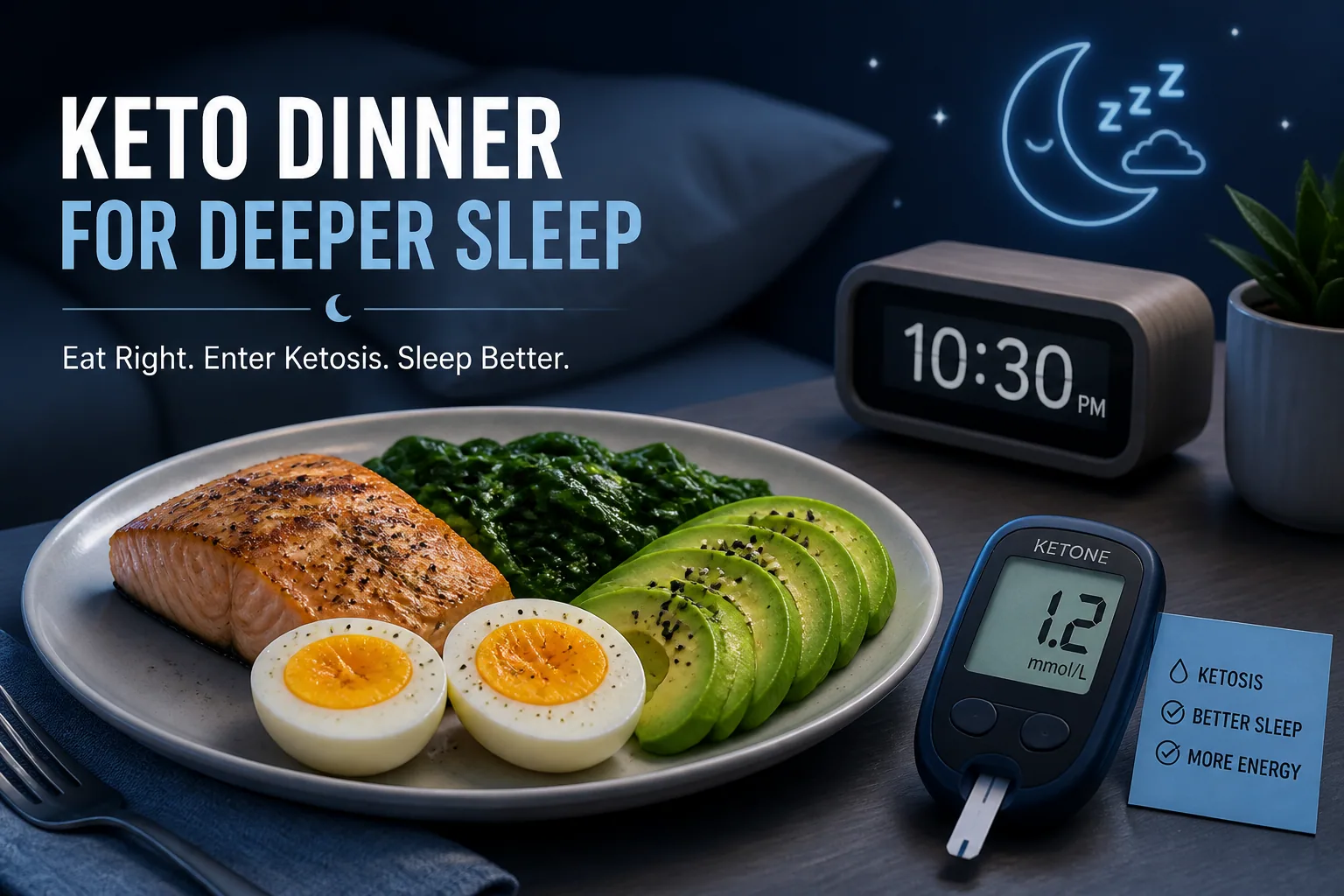
How Meal Timing and Sleep Impact Ketosis: The Overlooked Fix for Keto Plateaus
If your keto progress has stalled, the problem may not be carbs alone. For many intermediate and advanced keto dieters, the real issue is that food timing, sleep timing, and circadian rhythm are quietly working against ketosis. You can keep your macros perfectly clean and still struggle with cravings, low energy, stubborn fat loss, and unstable ketone levels if you are eating too late, sleeping too little, or constantly shifting your schedule.
This is where chrono-nutrition matters. The body does not process food the same way at every hour of the day. Insulin sensitivity, glucose tolerance, cortisol rhythm, digestion, and overnight fuel use all change depending on when you eat and when you sleep. In other words, the same meal can have a very different metabolic effect at 8 a.m. than it does at 10 p.m.
That is why meal timing and sleep are often the overlooked fix for keto plateaus. Once you align your eating window and sleep habits with your internal clock, ketosis often becomes easier to maintain, recovery improves, and the “I am doing everything right but nothing is happening” feeling finally starts to fade.
Why Keto Plateaus Often Have Nothing to Do With Carbs
A lot of keto plateaus are blamed on hidden carbs, but in many cases the issue is more subtle. You may already be low carb enough to stay in ketosis, yet your body may still be behaving as if it is under metabolic stress. Late meals, short sleep, and irregular schedules can elevate cortisol, reduce insulin sensitivity, and make fat burning less efficient. That means your body has a harder time accessing stored fuel even when carbohydrate intake is low.
This helps explain why two people on the same keto macro split can see totally different results. One eats earlier, sleeps well, and keeps a consistent routine. The other eats late, stays up too long, and wakes up under-recovered. The second person may still be “doing keto,” but the timing cues telling the body when to burn, store, and repair are off.
Research supports this idea. In one randomized crossover study of 32 women, eating lunch at 16:30 rather than 13:00 led to a 46% increase in glucose area under the curve, showing clearly worse glucose tolerance with late eating. Late eating also reduced resting energy expenditure and altered cortisol rhythms: https://pubmed.ncbi.nlm.nih.gov/25311083/
The Circadian Rhythm Connection: Why Timing Changes Metabolism
Your circadian rhythm is your internal 24-hour timekeeping system. It influences hormone release, digestion, body temperature, alertness, and the way you handle nutrients. Even if your calorie intake stays identical, the metabolic response to food changes across the day because your body is not equally prepared to process nutrients at all times.
In practical terms, this means your metabolism is usually more forgiving earlier in the day and more impaired later at night. That is one reason late-night eating often creates a worse glucose response and lower overnight fuel flexibility. The body expects food during the active phase and expects fasting during the biological night.
This concept is not just theory. A U.S.-based nationally representative study found that starting eating earlier in the day was associated with more favorable metabolic markers, including lower insulin and improved insulin sensitivity, even when total calorie intake was similar: https://pmc.ncbi.nlm.nih.gov/articles/PMC9919634/
The broader literature points in the same direction. Reviews and meta-analyses suggest that eating closer to melatonin onset, which usually happens later in the evening, is associated with worse glucose tolerance, impaired lipid handling, and disrupted overnight fuel use: https://academic.oup.com/jcem/article/106/2/e1050/5952711
How Meal Timing Influences Insulin, Ketones, and Fat Burning
For keto dieters, insulin is still central. Even on a low-carb diet, insulin does not disappear. It rises in response to protein, certain mixed meals, and late-day feeding patterns that can make the body less responsive. If insulin stays elevated longer than necessary, ketone production can become less robust and stored fat becomes harder to mobilize.
When meal timing is shifted later, the body often shows lower insulin sensitivity and poorer glucose handling. A 2025 study found that individuals whose meals were shifted later relative to their internal circadian clock had lower insulin sensitivity, and those effects varied by genetic background: https://pubmed.ncbi.nlm.nih.gov/40305967/
This matters for ketosis because ketone production is most reliable when the body is in a low-insulin, low-demand state. Late eating shortens that state. Instead of spending the evening and overnight in a deep recovery and fat-burning mode, the body may still be busy processing nutrients well into the night.
There is also evidence that food timing alone can change metabolic markers independent of diet type. In a double-blind trial with 70 prediabetic participants, consuming unsaturated fats at lunch rather than dinner improved insulin sensitivity and lowered postprandial insulin and saturated fatty acids. The result was timing dependent, not just food dependent: https://www.nature.com/articles/s41467-025-58937-6
Late-Night Eating and the Hidden Cost to Ketosis
Late-night eating is one of the most common reasons keto plateaus persist. Even when the food is technically keto-friendly, eating close to bedtime can interfere with the body’s overnight metabolic shift. Instead of lowering insulin and moving toward restoration, the body stays partially in “fed mode.”
A study comparing a low glycemic index meal at 08:00, 20:00, and 00:00 found exaggerated postprandial glucose and reduced insulin sensitivity at night compared with morning consumption. The same food produced a worse response simply because it was eaten later: https://pubmed.ncbi.nlm.nih.gov/29248250/
Another pilot study with overweight adults delayed both sleep and meal times without changing calories or sleep duration. The result was higher overnight glucose and insulin, and the worst combination was late sleep with normal or late meals. The best metabolic profile came from normal sleep and normal meal timing: https://pmc.ncbi.nlm.nih.gov/articles/PMC5771427/
For keto followers, that means a late dinner, late snack, or “just a little something before bed” can quietly delay the metabolic conditions that support deep ketosis. Even if your total daily carbs are low, the timing of intake may be keeping you from getting the full benefit of the diet.
Why Sleep Quality Affects Cortisol, Recovery, and Weight Loss
Sleep is not just recovery. It is also a hormone regulator. When sleep quality drops, cortisol often rises, appetite signals become less stable, and the body becomes less efficient at using fuel. For someone on keto, that can mean more cravings, worse morning energy, reduced training recovery, and flatter fat loss.
Poor sleep can also create a situation where your body feels underfed and stressed at the same time. That combination is especially troublesome on keto, because it can push you toward cortisol-driven snacking and make your body more conservative about burning stored fat. In simple terms, bad sleep can make your metabolism act less flexible.
The relationship works both ways. Circadian disruption can impair metabolic health, and metabolic disruption can make sleep less restorative. Once this loop starts, keto progress often feels slower than it should, even if food choices look excellent on paper.
The Sleep-Ketosis Link: How Poor Sleep Can Stall Progress
Ketosis is easiest to maintain when the body can reliably transition from feeding to fasting, then into overnight repair. Poor sleep disrupts that transition. Short sleep or fragmented sleep can change hunger hormones, increase next-day appetite, and reduce your ability to stay steady with meal timing.
This is one reason nighttime cravings can become more intense on days when sleep is poor. You are not just fighting habit, but a real biological push toward energy seeking. If you then respond with late keto snacks, you may preserve cravings and keep insulin elevated when it should be falling.
Interestingly, ketogenic diets may improve sleep in some people. A scoping review of ketogenic dietary therapies in neurological populations found improvements in sleep quality, reduced difficulty falling asleep, fewer night awakenings, and enhanced REM sleep: https://pubmed.ncbi.nlm.nih.gov/37932966/
That does not mean keto automatically fixes sleep, but it does suggest a useful synergy. When keto is done well, sleep can improve. When sleep improves, keto becomes easier to sustain. This is exactly why sleep should be treated as part of the keto strategy, not as an unrelated wellness bonus.
How to Adjust Eating Windows Without Doing Full Intermittent Fasting
You do not need strict intermittent fasting to benefit from better meal timing. Many people do better with a simple earlier eating window, such as finishing dinner a little sooner and avoiding late-night food, rather than chasing a rigid fasting protocol. The goal is not deprivation. The goal is rhythm.
A practical target is to keep your first meal reasonably early and your last meal several hours before bed. That gives your body time to finish digestion before sleep and shifts more of your calories into the part of the day when insulin sensitivity is usually better. Even small changes can matter if they are consistent.
If you are highly active, pregnant, prone to hypoglycemia, or managing a medical condition, meal timing should be individualized. But for many otherwise healthy keto dieters, simply moving dinner earlier and reducing nighttime grazing can create a meaningful metabolic improvement without changing macros.
Best Times to Eat Protein, Fat, and Carbs on Keto
On keto, protein is essential for preserving lean mass, and fat is often used to support satiety and energy. Timing both well can make the diet feel smoother. Many people do best when protein is emphasized earlier in the day or around training, because it supports satiety and recovery when the body is more metabolically responsive.
Dietary fat is flexible, but timing still matters. Since lunch-time intake of unsaturated fats improved insulin sensitivity compared with dinner in one trial, shifting more of your fat intake earlier may support better day-time metabolic handling: https://www.nature.com/articles/s41467-025-58937-6
As for carbs, most keto dieters keep them very low overall, but timing still matters if you use targeted carbs or higher-carb refeeds. If you include them, earlier in the day or around exercise is generally more favorable than late evening, when glucose tolerance tends to be worse and melatonin may already be rising.
Managing Nighttime Carb Cravings the Keto-Friendly Way
Nighttime cravings are often a mix of habit, stress, fatigue, and unstable blood sugar signaling. If you are consistently under-slept or eating too late, cravings become more likely. The fix is not simply more willpower. It is reducing the biological triggers that make cravings louder.
A few keto-friendly tactics help. First, make dinner substantial enough in protein and fat to support satiety. Second, stop eating earlier so your body can settle into the overnight fast. Third, avoid turning “one bite” into a nightly ritual, because repeated evening eating teaches your brain to expect food at that hour.
If you still want a safety net while shopping and planning your meals, Keeto - Keto Made Easy can help you spot keto-friendly foods quickly and keep your carb budget under control: https://findthe.app/keeto-5m0vbj
That kind of tool is especially useful when cravings try to steer you toward convenient choices late in the day. The easier it is to confirm a product’s net carbs, the less likely you are to make reactive decisions that derail your routine.
Sleep Hygiene Strategies That Actually Help Keto Dieters
For keto dieters, sleep hygiene should be designed around lowering nighttime stimulation and supporting stable blood sugar through the evening. Start with the basics. Keep lights dim in the last hour or two before bed, limit late caffeine, and avoid heavy, greasy meals right before sleep if they cause discomfort or reflux.
A regular bedtime is also crucial. The body responds strongly to consistency. If bedtime changes constantly, cortisol and melatonin signaling become less predictable, and that can affect both sleep quality and next-day appetite. Many people underestimate how much this alone can affect fat loss on keto.
Temperature, noise, and evening screen exposure matter too. A cooler room, less blue light, and a more relaxed wind-down routine can help you fall asleep faster and stay asleep longer. Better sleep often means less next-day food noise, better training output, and a more stable appetite curve.
A Sample Daily Rhythm for Better Energy and Deeper Ketosis
A simple rhythm can work better than a perfect macro plan executed at random times. For example, you might eat your first meal a few hours after waking, have your largest meal earlier in the day or at lunch, then keep dinner lighter and earlier in the evening. After that, give yourself a clean cutoff from food before bed.
This pattern does not require extreme fasting. It simply places more intake in the part of the day when your body is more ready to process nutrients. It also gives your evening more space for recovery, relaxation, and sleep onset, which can support next-day ketone stability.
The goal is to create a repeatable cadence. When eating, sleeping, and wake times are consistent, the body can anticipate energy flow more efficiently. That predictability often translates into steadier ketosis, better energy, and less random snacking.
Common Mistakes Advanced Keto Dieters Still Make
Advanced keto dieters often assume that once carbs are controlled, everything else is minor. In reality, some of the biggest mistakes are behavioral, not nutritional. Eating too late, staying up too long, and varying meal timing wildly from day to day can all undermine otherwise excellent food choices.
Another common mistake is confusing late hunger with genuine need. If you are under-recovered, poorly slept, or stressed, your appetite may spike in the evening. That does not automatically mean you need more food. It may mean your timing and recovery are off.
A final mistake is ignoring the morning after. If you go to bed late and wake up groggy, then skip breakfast only to overeat later, you may be locking yourself into a cycle that keeps insulin and cravings unstable. Consistency usually beats intensity here.
Action Steps to Realign Your Schedule and Restart Results
If your keto plateau has lasted longer than expected, start with timing, not just macros. For the next two weeks, move your last meal earlier, keep bedtime more consistent, and avoid food close to sleep. Then pay attention to hunger, energy, sleep quality, and waist measurements, not just scale weight.
Next, place more of your calories earlier in the day when possible, especially protein and more substantial mixed meals. If you use higher-fat meals, consider making lunch or earlier afternoon meals your bigger metabolic load rather than dinner. This can better match natural insulin sensitivity patterns.
Finally, protect sleep like it is part of the diet, because it is. Keto works best when the body is rested, rhythmic, and able to switch cleanly between feeding and fasting. When meal timing and sleep are aligned, ketosis is often deeper, cravings are quieter, and progress starts moving again.